Author name: transkibo

Is Tanzania safe for tourists
Uncategorized

Is Tanzania Safe for Tourists

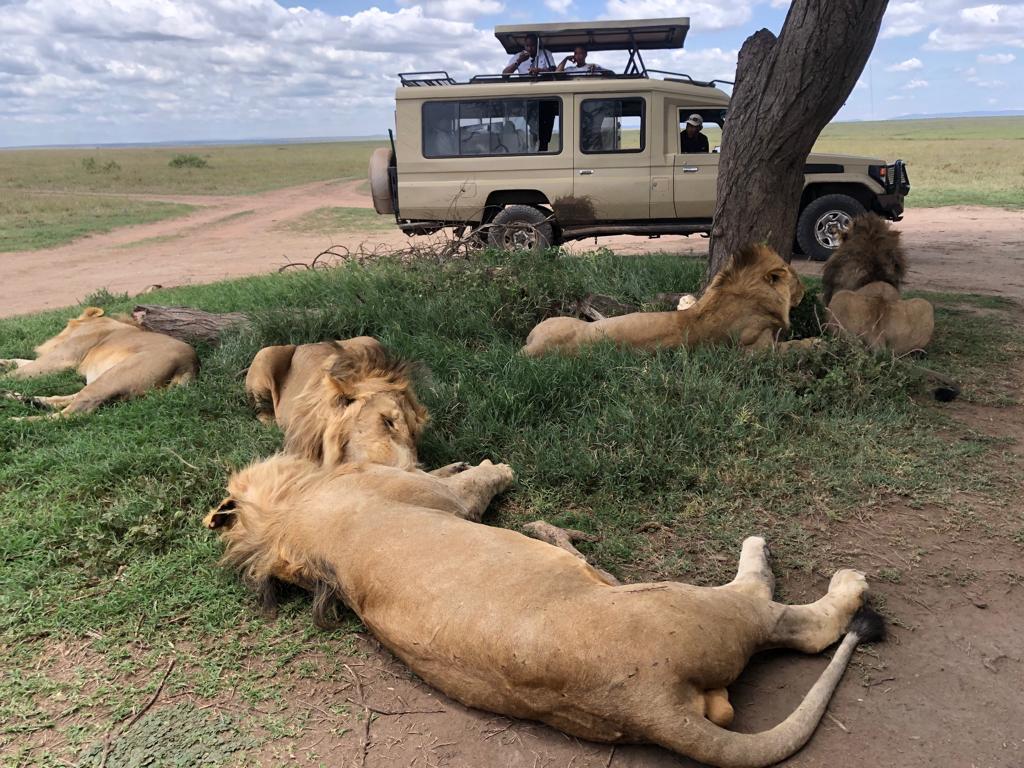
Tanzania is one of Africa’s most breathtaking travel destinations. Home to Mount Kilimanjaro, the Serengeti, Zanzibar, and the Ngorongoro Crater, it draws hundreds of thousands of visitors every single year. But one of the first questions people ask when planning a trip is very simple: “Is Tanzania safe for tourists?” The short answer is: Yes — Tanzania is generally safe for tourists, and millions of visitors travel there every year without any problems. But like any destination in the world, it helps to understand the local landscape, know what to watch out for, and travel smart. In this guide, we cover everything you need to know about safety in Tanzania  from petty crime to health precautions, from road travel to Zanzibar beach safety — so you can travel with confidence and peace of mind. Tanzania’s Overall Safety Record Tanzania has a long track record as a stable and welcoming country for tourists. It has not experienced major conflicts or political instability in recent decades, which makes it one of the safer destinations in Sub-Saharan Africa. The country’s tourism industry is well-established and highly regulated. Most international visitors travel to Tanzania for wildlife safaris, Kilimanjaro climbs, and beach holidays in Zanzibar — and the vast majority return home with nothing but incredible memories. According to the Tanzania Tourist Board, the country welcomes over 1.5 million tourists per year, and serious incidents targeting foreigners remain rare. That said, it is still important to be informed and prepared. What Are the Main Safety Concerns in Tanzania? 1. Petty Crime in Cities Like most cities in East Africa, Dar es Salaam and Arusha have areas where petty crime — such as pickpocketing, bag snatching, and phone theft — can occur, especially in busy markets and public transport areas. Tips to stay safe: Do not walk around with expensive jewellery or flashy accessories Keep your phone in your pocket or bag, not in your hand while walking Avoid displaying large amounts of cash Use a money belt or hidden pouch for your passport and extra cash Avoid walking alone at night in unfamiliar areas Use registered taxis or app-based services like Bolt rather than hailing random cars off the street These are basic precautions that any experienced traveller would follow in any major city around the world.   2. Road Safety Road safety is one of the most genuine risks for travellers in Tanzania. Road conditions vary widely, and traffic accidents involving minibuses (called dalla-dallas) and trucks are not uncommon. Tips to stay safe on the road: Book transfers through reputable operators — not random minibuses Avoid long road journeys at night where possible If renting a vehicle, hire an experienced local driver Wear your seatbelt at all times Allow extra travel time — roads in remote areas can be rough and slow When you book your Tanzania safari or Kilimanjaro climb through a reputable tour operator like Transkibo, ground transport is handled with experienced, vetted drivers and well-maintained vehicles.   3. Health Risks Health is an important part of staying safe in Tanzania. The country lies in a tropical zone, so certain health precautions are necessary. Malaria:Tanzania is a malaria-risk country. Before you travel, speak to your doctor or travel health clinic about antimalarial medication. Also pack a good mosquito repellent (DEET-based), long-sleeved clothes for evenings, and consider a bed net if sleeping in open-air accommodation. Yellow Fever:If you are travelling from a yellow fever-endemic country, you will need a Yellow Fever vaccination certificate to enter Tanzania. Check with your local embassy for the latest requirements. Water:Do not drink tap water in Tanzania. Stick to bottled or purified water. Most hotels and lodges provide safe drinking water for guests. Other Vaccinations:Common recommendations include hepatitis A, hepatitis B, typhoid, and tetanus. Visit a travel health clinic at least 4–6 weeks before your trip to get personalised advice.   4. Wildlife Safety on Safari Tanzania’s national parks are incredibly safe when you follow the rules — but it is important to remember that you are in wild animal territory. Tips for safari safety: Always stay inside the vehicle unless your guide gives explicit permission to step out Never feed or approach animals Follow your guide’s instructions at all times — they are trained professionals Do not make loud noises or sudden movements around wildlife Keep windows and car roofs at safe positions around predators At reputable safari camps and lodges, armed rangers and experienced guides are always on hand. Wildlife incidents involving tourists who follow the rules are extremely rare.   5. Zanzibar Safety Zanzibar is Tanzania’s most popular beach destination and is generally very safe for tourists. The island sees huge numbers of international visitors every year who enjoy its turquoise waters, coral reefs, and stunning beaches without incident. Things to be aware of: Beach vendors can be persistent — a polite but firm “no thank you” is all you need Avoid isolated beaches at night, especially if you are alone Be respectful of the local Muslim culture — Zanzibar has a predominantly Muslim population. Cover up modestly when visiting Stone Town or local villages (swimwear is for the beach only) Be cautious about accepting drinks from strangers at bars and clubs Keep valuables locked in your hotel room or safe Overall, Zanzibar is a relaxed, friendly island. Millions of tourists enjoy it every year with no issues at all.   6. Political Stability Tanzania is considered one of the most politically stable countries in East Africa. It has a functioning democratic government and has had peaceful transfers of power for decades. There are no active armed conflicts or civil unrest that affect tourist areas. You may occasionally see political rallies or public demonstrations — the standard advice is to stay away from large crowds and political gatherings, just as you would in any country.   7. LGBTQ+ Travellers Tanzania has conservative laws regarding same-sex relationships, and LGBTQ+ travellers should be aware of this. Public displays of affection between same-sex couples can attract unwanted

Safari, Uncategorized

Why the Rainy Season Safari in Tanzania Is Secretly the Best Travel Time

Introduction to the Rainy Season Safari in Tanzania A Rainy Season Safari in Tanzania is often avoided by many travelers who assume that wildlife sightings will be reduced during wetter months. However, a completely different safari experience is usually created when the rainy season arrives across the famous national parks of Tanzania. During this time, landscapes are transformed into lush green plains, rivers are filled again, and the entire ecosystem is refreshed beautifully. Because of this transformation, a Rainy Season Safari in Tanzania is increasingly being recommended by experienced safari guides and wildlife photographers. Crowds that are normally seen during the dry season are significantly reduced, which allows a quieter and more personal connection with nature. Therefore, peaceful wildlife sightings can be enjoyed while vehicles from other groups are rarely encountered during many game drives. For travelers seeking something unique and authentic, the Rainy Season Safari in Tanzania is often described as the hidden gem of African travel experiences. Green Landscapes Are Revealed During a Rainy Season Safari in Tanzania One of the most remarkable advantages of a Rainy Season Safari in Tanzania is the dramatic transformation of the landscape. Dry dusty plains that dominate during the dry months are replaced by endless stretches of green grass and blooming plants. Because fresh vegetation is produced after rainfall, herbivores such as zebras, wildebeests, and antelopes are naturally drawn toward these nourishing feeding areas. As a result, wildlife movements can still be observed clearly throughout many national parks across Tanzania. Photographers especially benefit from these lush environments because vibrant colors are naturally created by the combination of green vegetation, wildlife, and soft light. For this reason, the Rainy Season Safari in Tanzania is frequently chosen by professional photographers searching for unique wildlife images. Baby Animals Are Commonly Seen During a Rainy Season Safari in Tanzania Another unforgettable highlight of a Rainy Season Safari in Tanzania is the arrival of newborn animals across the savannah. Because food becomes abundant during this time, many species give birth during the rainy months. Young wildebeests, gazelles, and zebras are often seen taking their first steps while learning to survive within the wild environment. This creates heartwarming moments that are rarely experienced during other times of the year. However, the presence of young animals also attracts predators that rely on opportunity and instinct to survive. Therefore, dramatic wildlife interactions can sometimes be witnessed during a Rainy Season Safari in Tanzania. For many safari lovers, these moments are remembered as the most emotional and powerful wildlife experiences ever observed. Fewer Tourists Are Experienced During a Rainy Season Safari in Tanzania One of the greatest benefits of a Rainy Season Safari in Tanzania is the peaceful atmosphere that is created across many national parks. Because the season is mistakenly avoided by many visitors, fewer safari vehicles are normally present during game drives. As a result, wildlife sightings can often be enjoyed privately without large crowds gathering around animals. This quiet environment allows nature to be appreciated in a deeper and more meaningful way. Guides are also able to spend more time explaining animal behavior and ecosystem dynamics because schedules are usually more flexible. For travelers who value tranquility and authenticity, the Rainy Season Safari in Tanzania becomes a truly special adventure. Dramatic Skies Are Witnessed During a Rainy Season Safari in Tanzania Another extraordinary feature of a Rainy Season Safari in Tanzania is the dramatic sky that develops during changing weather conditions. Large clouds, golden sunlight, and distant rain showers are often combined to create breathtaking scenery. Sunrises and sunsets become especially magical because colorful reflections are produced across the clouds and open plains. Photographs taken during these moments are frequently described as some of the most beautiful safari images ever captured. Because the air becomes clearer after rainfall, wildlife can also be observed against fresh and vibrant backgrounds. Therefore, a Rainy Season Safari in Tanzania offers visual experiences that are rarely matched during dry months. Short Rain Showers Are Usually Experienced During a Rainy Season Safari in Tanzania Many travelers imagine constant rain when the rainy season is mentioned, but this assumption is rarely accurate. Instead, rainfall is usually experienced in short refreshing showers that pass quickly across the landscape. After these brief showers, sunshine is often returned and animals continue their normal activities across the savannah. Because the air becomes cooler and fresher, game drives are sometimes even more comfortable than during the dry season heat. For this reason, the Rainy Season Safari in Tanzania should not be feared but rather appreciated as part of the natural rhythm of the African wilderness. Conclusion About the Rainy Season Safari in Tanzania A Rainy Season Safari in Tanzania may not always be considered by first time travelers, yet incredible advantages are quietly offered during this special season. Lush landscapes, newborn wildlife, dramatic skies, and peaceful parks are all experienced together. Because fewer visitors are present, a deeper connection with nature can be created while authentic safari moments are enjoyed. Therefore, the Rainy Season Safari in Tanzania should be recognized as one of the most rewarding and underrated travel opportunities in Africa. For travelers who desire beauty, tranquility, and unforgettable wildlife encounters, the Rainy Season Safari in Tanzania is truly a hidden treasure waiting to be discovered.  

Uncategorized

Cultural Etiquette Tourists Should Know Before Visiting Maasai Villages

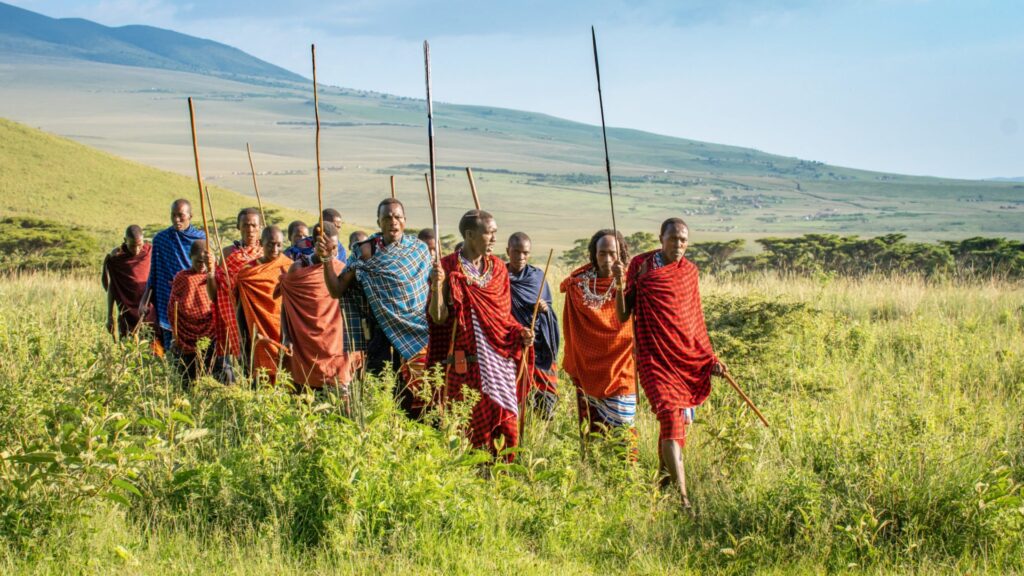
Visiting a Maasai village is one of the most memorable cultural experiences in Tanzania. However, understanding cultural etiquette is very important. Respecting traditions helps create meaningful interactions with local communities. Additionally, it supports responsible tourism practices. Many tourists visit Maasai villages during safaris. Meanwhile, some unknowingly break cultural norms. Therefore, learning basic etiquette before visiting is helpful. These guidelines ensure respectful and enjoyable experiences. Here are cultural etiquette tourists should know before visiting Maasai villages. Always Ask Before Taking Photos Photography is one of the biggest mistakes tourists make. Many visitors immediately take photos without permission. However, this can feel disrespectful. Therefore, always ask before taking pictures. Some Maasai people may request a small fee. This is normal and supports the community. Additionally, asking permission shows respect. It also creates better interaction with locals. Guides usually help communicate requests. As a result, visitors avoid misunderstandings. Respectful photography improves the overall experience.   Dress Modestly and Respectfully The Maasai community values modest dressing. Therefore, visitors should avoid revealing clothing. Wearing simple and comfortable clothes is recommended. Additionally, neutral colors blend better with surroundings. Women should consider covering shoulders and knees. Men should also avoid overly casual clothing. Although not strictly enforced, modest dressing shows respect. Comfortable walking shoes are also important. Village paths may include uneven ground. Therefore, practical clothing improves comfort. Greet Elders First Greeting is an important part of Maasai culture. Visitors should greet elders before starting conversations. This gesture shows respect and appreciation. Additionally, it creates a friendly atmosphere. A simple hello guided by your tour leader is enough. Sometimes, handshakes are offered. However, always follow the guide’s direction. Cultural practices may vary slightly. Taking time to greet properly improves communication. As a result, visitors enjoy warmer welcomes. Respect Homes and Personal Spaces Maasai houses are called bomas. These traditional homes are small and carefully arranged. Visitors are often invited inside. However, respect for personal space is essential. Avoid touching items without permission. Additionally, do not enter homes unless invited. These gestures show cultural awareness. Inside houses, lighting may be limited. Therefore, moving slowly is recommended. Respectful behavior ensures positive interactions. Support Local Crafts Respectfully Many Maasai villages sell handmade crafts. These include beadwork, jewelry, and traditional items. Buying directly supports local families. Therefore, purchasing souvenirs is encouraged. However, bargaining should remain respectful. Avoid aggressive negotiation. Instead, agree on fair prices. This maintains positive relationships. Showing appreciation for handmade work is important. Additionally, asking about meanings behind items creates deeper cultural understanding. Listen to Cultural Explanations During village visits, guides or Maasai hosts explain traditions. These may include dances, ceremonies, and daily life. Visitors should listen attentively. This shows respect for the culture. Avoid interrupting presentations. Additionally, follow instructions during demonstrations. Some dances may invite participation. However, follow guidance carefully Respectful listening enhances learning experiences. As a result, visitors gain meaningful knowledge. Avoid Giving Money Directly to Children Some visitors give money or sweets to children. However, this is discouraged. It may create dependency and disrupt community systems. Therefore, avoid direct handouts. Instead, support community initiatives. Buying crafts or using local guides is better. Additionally, some villages have structured donation programs. Responsible giving supports sustainable tourism. It also benefits the entire community. Follow Your Guide’s Instructions Guides understand cultural expectations. Therefore, always follow their instructions. They help translate language and customs. Additionally, they ensure respectful interactions. Sometimes, certain areas may be restricted. Visitors should respect these boundaries. Cultural rules vary between villages. Therefore, guidance is important. Listening to your guide prevents misunderstandings. It also improves the experience. Best Time to Visit Maasai Villages Maasai villages can be visited year-round. However, mornings and afternoons are usually best. These times allow better interaction with community members. Additionally, weather conditions are more comfortable. Combining village visits with safaris is common. Many are located near national parks. Therefore, adding cultural experiences is easy. Visitors should plan ahead with guides. This ensures organized and respectful visits. Final Thoughts Understanding cultural etiquette Maasai villages helps create respectful experiences. Visitors learn traditions while supporting local communities. Additionally, proper behavior improves cultural exchange. By asking permission, dressing modestly, and respecting customs, tourists show appreciation. These small actions make big differences. Therefore, responsible visits benefit everyone involved.

Destination, Safari

How To Choose Between Serengeti And Ngorongoro For First Safari

Introduction.  Serengeti vs Ngorongoro for first safari is a common decision travelers face when planning Tanzania wildlife adventures.Both destinations offer incredible wildlife however experiences differ significantly in landscapes travel time and animal density.Therefore understanding these differences helps first time visitors choose the best option. Serengeti Safari Experience Serengeti is famous for vast endless plains where animals migrate seasonally creating dramatic wildlife spectacles throughout the year.Furthermore the Great Migration is observed in Serengeti where wildebeest zebras move dramatically searching for fresh grazing areas.Additionally Serengeti offers diverse ecosystems including rivers woodlands kopjes and open grasslands supporting varied wildlife populations.Consequently longer safaris in Serengeti allow travelers to explore different regions and experience changing scenery daily. Ngorongoro Crater Safari Experience Meanwhile Ngorongoro offers compact landscapes inside a volcanic crater where wildlife is concentrated within relatively small accessible area.Additionally the chance of spotting Big Five species inside Ngorongoro crater is considered extremely high.Moreover drives descend early morning allowing animals to be spotted before crowds increase later.Therefore first time travelers with limited time often prefer Ngorongoro because many animals are seen quickly. Wildlife Comparison Serengeti provides wide roaming wildlife and opportunities to follow predators across open plains.However Ngorongoro offers dense wildlife scenes perfect for observing interactions closely.Consequently Serengeti suits travelers seeking wilderness exploration while Ngorongoro suits short wildlife focused trips. Travel Time And Accessibility Serengeti requires more travel time but rewards visitors with remote wilderness and fewer vehicles in certain areas.Meanwhile Ngorongoro is closer to Arusha making it suitable for short itineraries and weekend safaris.Budget considerations also matter because Serengeti usually involves additional park fees and accommodation nights. Which One Is Best For First Safari Both destinations deliver exceptional experiences and are frequently combined within classic northern Tanzania safari itineraries.Photography enthusiasts often choose Serengeti because expansive horizons provide dramatic golden light opportunities.Conversely Ngorongoro offers dense wildlife scenes perfect for capturing animals interacting closely.Ultimately choosing Serengeti vs Ngorongoro for first safari depends on available time travel style and desired wildlife experiences.  

Uncategorized

The Story of the Great Migration in Serengeti National Park

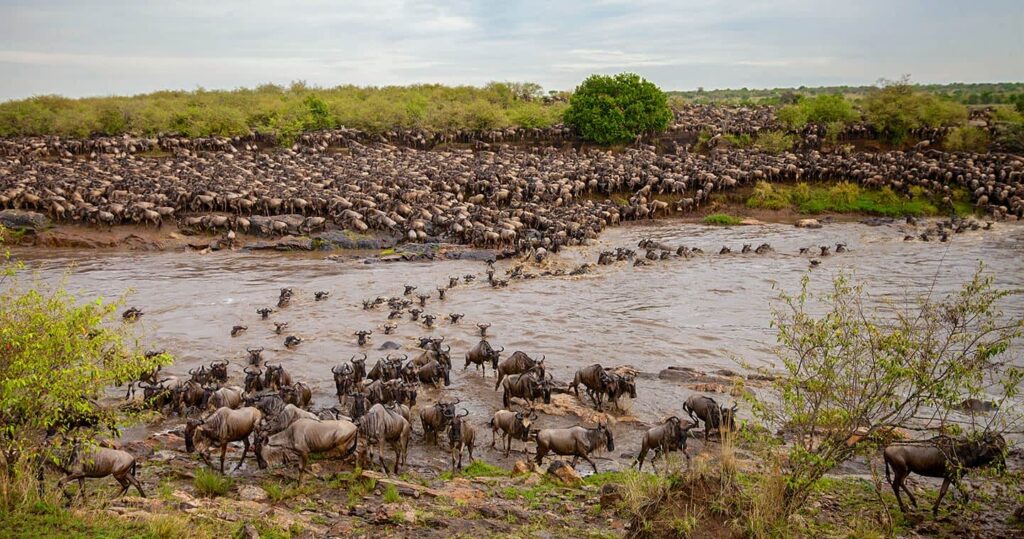
Introduction The Great Migration in Serengeti National Park is widely considered one of the greatest wildlife spectacles on the planet. Every year millions of animals move across the vast plains of the Serengeti ecosystem searching for fresh grass and water. This incredible journey has taken place for centuries and continues to shape the natural balance of the ecosystem. Because of its scale drama and beauty the migration attracts wildlife lovers photographers and scientists from around the world. Millions of Animals on the Move The migration is mainly led by wildebeests which travel in enormous herds across the Serengeti plains. More than two million wildebeests participate in this journey accompanied by hundreds of thousands of zebras and gazelles. These animals move together across the landscape while following seasonal rainfall patterns that determine grass growth. As a result the migration route changes slightly every year depending on the location of fresh grazing areas. The Calving Season in Southern Serengeti The migration cycle usually begins in the southern plains of the Serengeti where calving season takes place. Between January and March thousands of wildebeest calves are born within a very short period. This event creates one of the highest concentrations of newborn animals found anywhere in the natural world. However predators such as lions cheetahs and hyenas are quickly attracted to this area. The Journey Toward the North When the dry season begins the grass in southern Serengeti gradually disappears. Consequently the herds begin moving northward toward greener regions in search of food and water. During this journey massive lines of animals stretch across the plains creating unforgettable scenes for safari visitors. Predators follow closely behind the migrating herds creating dramatic interactions between hunters and prey. The Mara River Crossing One of the most dramatic moments of the migration occurs when animals reach the Mara River. Thousands of animals gather along the riverbanks waiting for the right moment to cross the dangerous waters. Eventually one animal jumps into the river and the rest of the herd quickly follows. Crocodiles wait patiently in the water while chaos unfolds during the crossing. The Endless Natural Cycle After reaching the northern regions the herds slowly begin moving back toward the southern Serengeti plains. This return journey is guided by seasonal rainfall and the growth of new grass across the ecosystem. Eventually the animals return to the southern plains where the cycle begins once again. Therefore the Great Migration continues every year as one of nature’s most remarkable survival stories. Conclusion The Great Migration in Serengeti National Park remains one of the most extraordinary wildlife events on Earth. Millions of animals participate in this natural journey across the landscapes of Tanzania each year. For travelers visiting the Serengeti witnessing this incredible movement of wildlife becomes an unforgettable safari experience.  

Uncategorized

Chimpanzee Trekking in Tanzania: Discover the Hidden Rainforests of Mahale

Chimpanzee Trekking in Tanzania: Discover the Hidden Rainforests of Mahale An extraordinary primate adventure far from traditional safari routes. When Tanzania tourism is discussed, the Serengeti is usually mentioned first.However, extraordinary primate adventures are quietly offered in the remote western region.Chimpanzee Trekking Tanzania experiences are considered among Africa’s rarest wildlife encounters. Discover the Remote Mahale Mountains Deep along the shores of Lake Tanganyika, the untouched forests of Mahale Mountains National Park are protected.Unlike northern safari parks, this destination is accessible only by boat or small aircraft.Consequently, visitor numbers are kept intentionally low throughout the year. Dense rainforests are spread across steep mountain slopes and crystal-clear beaches.Because of this isolation, biodiversity has been carefully preserved for decades.Therefore, an authentic wilderness atmosphere is genuinely experienced by travelers. Encounter Wild Chimpanzees Most importantly, habituated chimpanzee families are monitored daily by park researchers.Guided trekking excursions are organized in small groups for safety.During these treks, chimpanzees are respectfully observed in their natural habitat. Playful juveniles are often seen swinging between branches overhead.Meanwhile, dominant males are heard vocalizing across the forest canopy.As a result, emotional and intimate wildlife moments are frequently created. Unlike traditional game drives, patience is required during forest tracking.However, once a chimpanzee troop is located, unforgettable memories are formed.Thus, Chimpanzee Trekking Tanzania becomes a deeply personal adventure. Lake Tanganyika’s Hidden Beaches Surprisingly, white sandy beaches are found within the national park boundaries.After trekking, relaxation is often enjoyed beside the turquoise waters.Snorkeling activities are occasionally arranged in the calm lake environment. Because the lake is one of the deepest in the world, unique fish species are protected.Consequently, eco-tourism practices have been carefully implemented by local lodges.Sustainable operations are prioritized to maintain ecological balance. Cultural and Community Experiences Additionally, local fishing communities near Mahale are respectfully visited.Traditional wooden boats are used daily along the lakeshore villages.Through guided visits, cultural exchanges are encouraged and appreciated. Therefore, tourism revenue is shared with surrounding communities.As a result, conservation awareness has been strengthened across the region.Long-term environmental protection is actively supported by responsible tourism. Best Time for Chimpanzee Trekking Tanzania Generally, the dry season between May and October is recommended.Forest trails are made easier to navigate during this period.Moreover, chimpanzees are more frequently located at lower elevations. Nevertheless, the rainy season offers dramatic green landscapes and fewer visitors.Travel decisions should therefore be carefully planned with experienced operators.Logistics are usually arranged well in advance due to limited accommodations. Conclusion In conclusion, Chimpanzee Trekking Tanzania offers an uncommon and extraordinary wildlife experience.Remote rainforests and lakeside beaches are beautifully combined within Mahale.Furthermore, conservation and community partnerships have been thoughtfully integrated. For adventurous travelers seeking something beyond traditional safaris, Mahale provides unmatched authenticity.Ultimately, a journey into Tanzania’s western wilderness is rarely forgotten.  

Uncategorized

What First-Time Visitors Often Get Wrong About Traveling in Tanzania

Introduction Things Tourists Get Wrong About Tanzania. Tanzania is often misunderstood by first time visitors due to common travel myths and unrealistic expectations.However, a deeper understanding allows the country to be experienced more respectfully and enjoyably.Therefore, the most common mistakes made by tourists in Tanzania are explained below. Tanzania Is More Than Safaris Wildlife Is Not the Only Attraction Tanzania is often believed to be only a safari destination by many international travelers.However, beaches, mountains, cities, and cultural heritage sites are equally important attractions.As a result, many experiences are missed due to poor destination research. Travel Distances Are Underestimated The Country Is Bigger Than It Looks Travel times are often underestimated because Tanzania appears small on maps.However, long distances and slow roads cause delays between major destinations.Therefore, rushed itineraries are commonly created and later regretted. Zanzibar And Mainland Are Assumed Similar Cultural Differences Are Overlooked Zanzibar is often assumed to be culturally identical to mainland Tanzania by visitors.However, Zanzibar follows more conservative traditions influenced by Islamic culture.As a result, inappropriate clothing choices are sometimes made. Tanzania Is Considered Cheap Everywhere Tourism Costs Are Misjudged Tanzania is widely believed to be an inexpensive destination for all travelers.However, safari fees, park permits, and lodges are priced at premium levels.Therefore, budgets are frequently exceeded during trips. Wildlife Sightings Are Expected Always Nature Cannot Be Controlled Guaranteed wildlife sightings are often expected by safari tourists.However, animals move freely and sightings depend on season and location.Thus, unrealistic expectations sometimes lead to disappointment. English Is Believed to Be Universal Swahili Dominates Daily Life English is assumed to be spoken fluently everywhere in Tanzania.However, Swahili is used more commonly in daily communication.Therefore, basic Swahili phrases are highly appreciated by locals. Planning Ahead Is Seen as Optional Peak Seasons Require Preparation Trips are often planned last minute by international visitors.However, lodges and tours sell out quickly during peak seasons.As a result, higher costs and limited options are faced. Street Food Is Considered Unsafe Local Food Is Often Fresh Street food is frequently avoided due to safety concerns.However, busy stalls serve freshly prepared and popular local meals.Therefore, authentic flavors are unnecessarily missed. Tanzania Is Thought To Be Dangerous Safety Is Generally High Tanzania is often perceived as unsafe by foreign tourists.However, most visits are peaceful and trouble free.Thus, basic awareness is usually sufficient for safety. Local Customs Are Ignored Respect Improves Experiences Local customs are sometimes overlooked by visitors.However, respect for traditions is deeply valued in Tanzanian culture.Therefore, better connections are formed through cultural awareness Conclusion The biggest things tourists get wrong about Tanzania come from assumptions rather than facts.However, informed travelers enjoy richer experiences and meaningful connections.Therefore, understanding Tanzania properly leads to a more rewarding journey.

Uncategorized

Mount Kilimanjaro Altitude: How High It Is and Why It Matters for Climbers

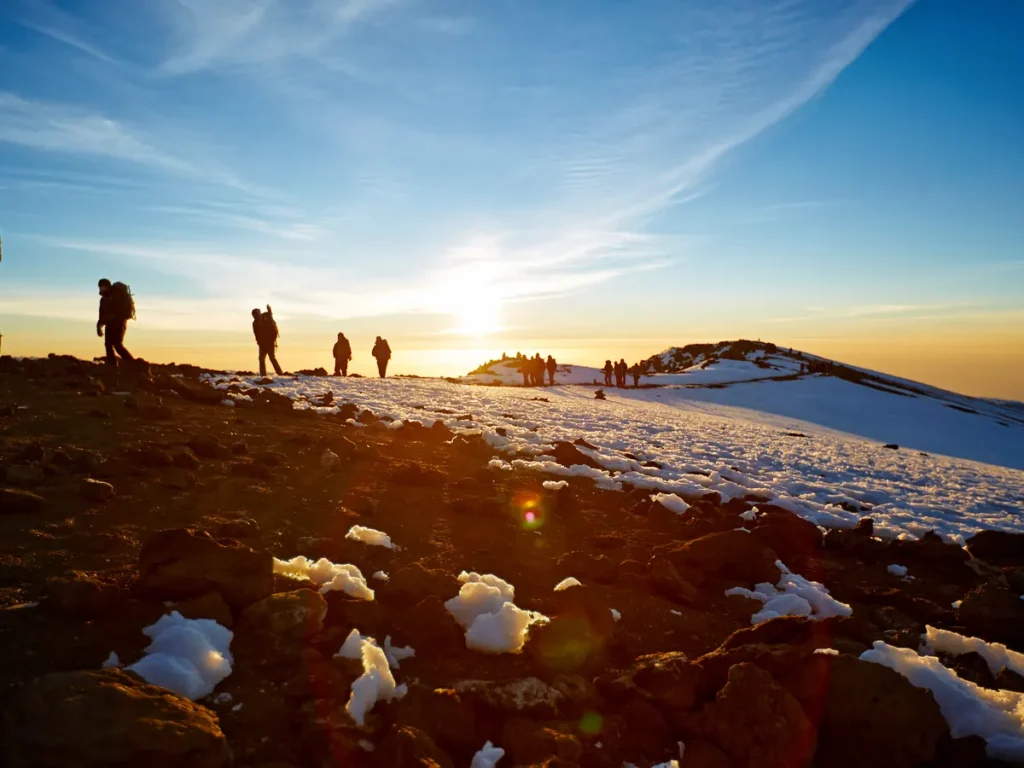
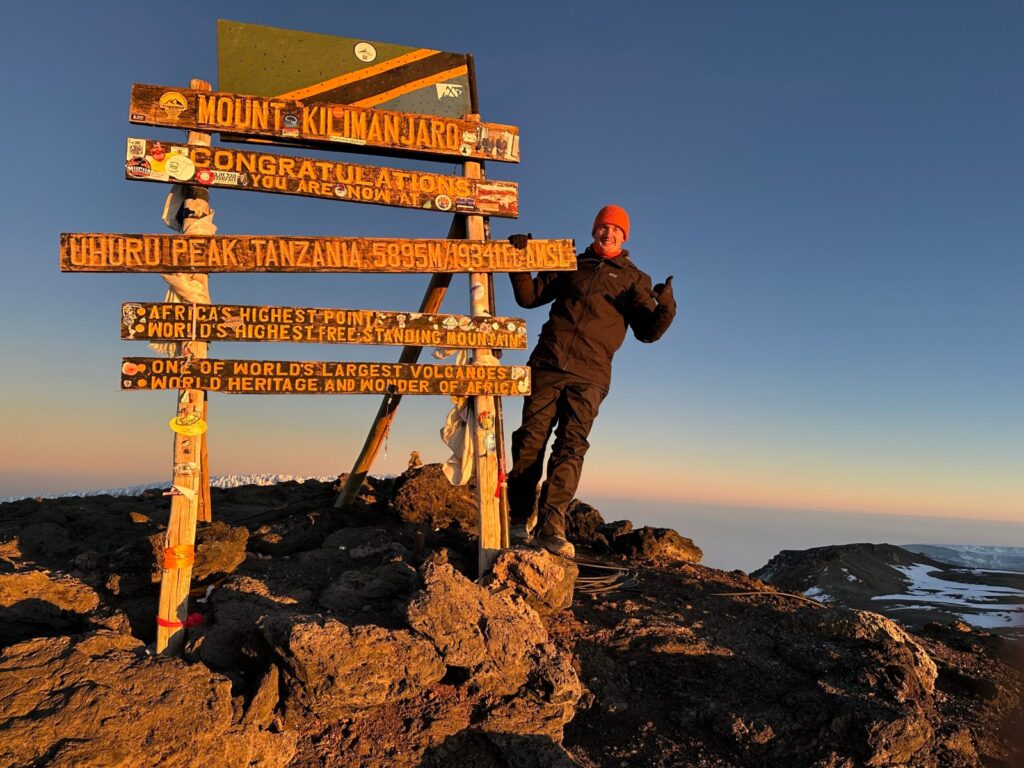
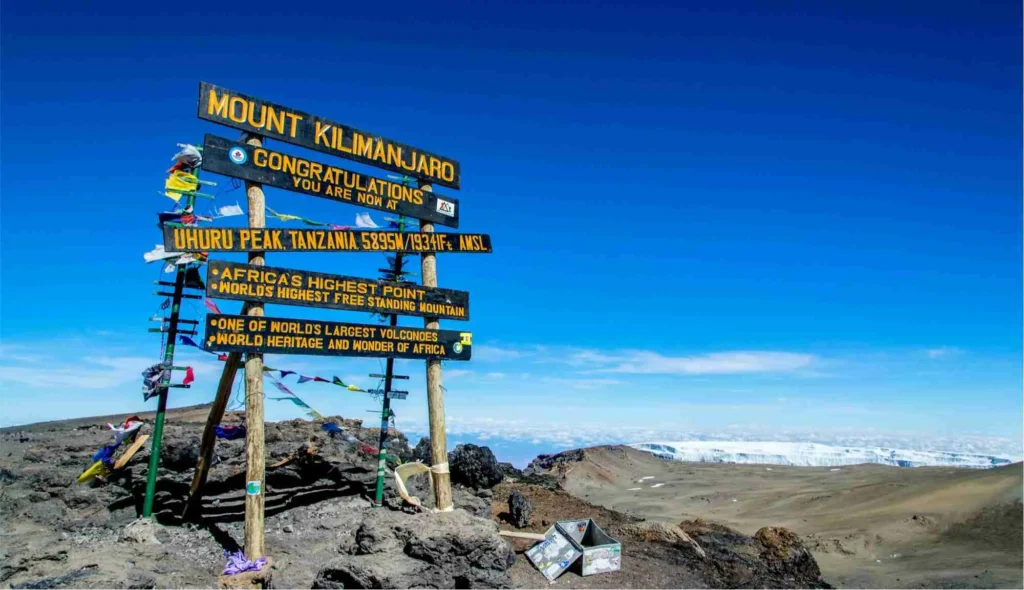
Introduction Mount Kilimanjaro altitude is one of the most talked-about aspects of climbing Africa’s highest mountain. Rising dramatically from the plains of Tanzania, Mount Kilimanjaro reaches an elevation that challenges even experienced trekkers. Because of the extreme height, climbers are often affected by altitude-related conditions. Therefore, a clear understanding of the mountain’s altitude is essential before planning a successful ascent. Although Kilimanjaro does not require technical climbing skills, its altitude should never be underestimated. In fact, many summit attempts are turned back not due to terrain difficulty, but because altitude sickness is experienced. For this reason, Mount Kilimanjaro altitude deserves careful attention. What Is the Altitude of Mount Kilimanjaro? Mount Kilimanjaro altitude stands at 5,895 meters (19,341 feet) above sea level. This height makes it the tallest mountain in Africa and the highest free-standing mountain in the world. The summit, known as Uhuru Peak, is where climbers aim to reach after several days of gradual ascent. Because the climb starts at approximately 800 meters above sea level, a rapid gain in altitude is experienced over a short period. As a result, the body is forced to adapt quickly to lower oxygen levels. Consequently, proper acclimatization becomes essential. Why Mount Kilimanjaro Altitude Is Challenging The challenge of Mount Kilimanjaro altitude lies in the reduced oxygen availability. At the summit, oxygen levels are almost 50% lower than at sea level. As a result, normal breathing becomes more difficult, and physical exertion feels much harder. Furthermore, altitude sickness may be experienced by climbers who ascend too quickly. Symptoms such as headaches, nausea, dizziness, and fatigue are commonly reported. In severe cases, dangerous conditions like High Altitude Pulmonary Edema (HAPE) or High Altitude Cerebral Edema (HACE) can be developed. Therefore, the impact of Mount Kilimanjaro altitude should never be ignored. Altitude Zones on Mount Kilimanjaro Mount Kilimanjaro altitude can be divided into several distinct zones. Each zone affects the body differently and presents unique environmental conditions. 1. Cultivation Zone (800–1,800 m) This is where the climb begins. Oxygen levels remain high, and altitude effects are rarely felt. Farming villages and lush landscapes are commonly seen. 2. Rainforest Zone (1,800–2,800 m) As altitude increases, humidity rises. Although oxygen is still sufficient, mild fatigue may be noticed. 3. Heath and Moorland Zone (2,800–4,000 m) Here, the effects of Mount Kilimanjaro altitude begin to appear. Breathing becomes slightly heavier, and temperatures drop significantly. 4. Alpine Desert Zone (4,000–5,000 m) Vegetation becomes sparse, and oxygen levels decrease sharply. Acclimatization is critical in this zone. 5. Arctic Zone (5,000–5,895 m) This is the summit zone. Oxygen is minimal, temperatures are freezing, and extreme fatigue is often experienced. How Altitude Sickness Affects Climbers Altitude sickness is one of the main risks associated with Mount Kilimanjaro altitude. Because the body receives less oxygen, it struggles to function normally. Mild symptoms are usually experienced first, but serious complications may develop if warning signs are ignored. Fortunately, altitude sickness can often be prevented. By ascending slowly and allowing time for acclimatization, the body is given a chance to adapt. In addition, hydration and proper pacing are strongly recommended. Importance of Acclimatization Acclimatization is the key to coping with Mount Kilimanjaro altitude. Routes that include extra days are generally preferred because success rates are significantly higher. When the body is exposed gradually to higher elevations, oxygen efficiency is improved. Moreover, the phrase “climb high, sleep low” is often applied. This strategy allows climbers to experience higher altitudes during the day while resting at lower elevations at night. As a result, adaptation is encouraged, and the risk of altitude sickness is reduced. Best Routes Based on Altitude Acclimatization Certain routes are better suited for handling Mount Kilimanjaro altitude: Lemosho Route – Highly recommended due to gradual ascent Machame Route – Offers good acclimatization with scenic views Northern Circuit Route – Longest route with the highest success rate On the other hand, shorter routes such as Marangu are often associated with lower summit success because acclimatization time is limited. Tips for Managing Mount Kilimanjaro Altitude To cope effectively with Mount Kilimanjaro altitude, the following tips are advised: Walk slowly and maintain a steady pace Drink plenty of water Eat regularly, even if appetite is reduced Listen to your guide and report symptoms early Choose longer itineraries for better acclimatization By following these strategies, the likelihood of reaching Uhuru Peak is greatly increased. Conclusion Mount Kilimanjaro altitude is the defining factor of the climb. While the mountain is accessible to beginners, its extreme elevation demands respect and preparation. Because oxygen levels drop significantly, the body must be given time to adjust. With proper planning, acclimatization, and awareness, the challenges of Mount Kilimanjaro altitude can be successfully managed. As a result, standing on the Roof of Africa becomes not just a dream, but an achievable goal.

Uncategorized

Why Tanzania Is Africa’s Ultimate Safari Destination for Wildlife Culture and Adventure

Introduction Tanzania is often described as a land where nature tells powerful stories. From the snow covered peak of Mount Kilimanjaro to the endless golden plains of the Serengeti a journey through Tanzania is filled with wonder. For travelers dreaming of an authentic African safari Tanzania is widely recognized as the ultimate safari destination. Breathtaking wildlife rich cultures and unforgettable adventures are experienced in every corner of the country. A Land of Natural Wonders To begin with Tanzania is blessed with some of the most iconic natural attractions on Earth. Mount Kilimanjaro Africa’s highest mountain is climbed by adventurers from around the world. Meanwhile the Serengeti plains are admired for their endless horizons and dramatic wildlife scenes. In addition the Ngorongoro Crater is known as a natural sanctuary where wildlife thrives within volcanic walls. After thrilling safaris relaxation is often enjoyed on the pristine beaches of Zanzibar. Exceptional Wildlife Diversity Equally important Tanzania is home to one of Africa’s largest wildlife populations. Over a quarter of the country is protected which allows animals to live freely in their natural habitats. As a result the Big Five are commonly seen alongside cheetahs giraffes zebras hippos and hundreds of bird species. Whether the northern or southern safari circuit is explored unforgettable wildlife encounters are guaranteed. The Great Wildebeest Migration Every year millions of wildebeest and zebras are driven across the Serengeti by ancient survival instincts. This world famous event known as the Great Wildebeest Migration is considered one of nature’s greatest spectacles. River crossings dramatic predator encounters and endless moving herds are witnessed making this experience a defining moment of a Tanzania safari. Authentic Cultural Encounters Beyond wildlife Tanzania’s cultural richness is deeply valued. Traditional lifestyles are preserved by communities such as the Maasai who are admired for their colorful attire and dances. In northern Tanzania the Hadzabe people continue to live as hunters and gatherers offering rare insight into early human traditions. Furthermore Swahili culture along the coast reflects centuries of trade hospitality and history. Variety of Safari Experiences Moreover Tanzania offers safari styles suitable for every traveler. Classic game drives are enjoyed in the Serengeti while walking safaris are guided through the Selous. In contrast boat safaris along the Rufiji River provide a peaceful way to observe wildlife. Hot air balloon safaris are also chosen by travelers seeking a unique aerial view of the savanna. Adventure Beyond the Safari In addition to wildlife experiences Tanzania offers remarkable adventures. Mount Kilimanjaro is climbed by those seeking physical and spiritual challenge. Marine life is explored through snorkeling and diving in Zanzibar and Mafia Island. Meanwhile hiking in the Usambara Mountains and kayaking on Lake Duluti provide refreshing alternatives to traditional safaris. Sustainable and Responsible Tourism Importantly conservation and sustainability are strongly supported in Tanzania. Local communities are empowered and wildlife habitats are protected through responsible tourism practices. With TRANSKIBO – TRAVELS LTD ethical travel experiences are carefully designed so that natural beauty is preserved for future generations. Warm Hospitality and Comfort Finally Tanzanians are known for their genuine warmth and hospitality. Safari lodges and camps are designed to blend comfort with nature. Whether luxury tented camps or eco lodges are chosen guests are welcomed with exceptional service and authentic smiles. Conclusion In conclusion Tanzania is more than a safari destination. It is a journey into the heart of Africa where nature culture and adventure are perfectly combined. With its unmatched wildlife iconic landscapes and welcoming people Tanzania truly stands as Africa’s ultimate safari destination. Through TRANSKIBO – TRAVELS LTD travelers are guided to experience the very best of Tanzania creating memories that last a lifetime.

Uncategorized

Kilimanjaro Altitude Sickness: Essential Guide for Climbers (2026)

Standing at 5,895 meters (19,341 feet), Mount Kilimanjaro attracts thousands of adventurers each year. However, the mountain’s greatest challenge isn’t its technical difficulty but rather the invisible threat of altitude sickness. Understanding Kilimanjaro altitude sickness can mean the difference between reaching Uhuru Peak and turning back early. Understanding Altitude Sickness on Mount Kilimanjaro Altitude sickness, medically known as Acute Mountain Sickness (AMS), occurs when your body struggles to adapt to reduced oxygen levels at high elevations. On Kilimanjaro, climbers ascend from approximately 1,800 meters at the base to nearly 6,000 meters at the summit. Consequently, the air pressure at the top contains roughly half the oxygen available at sea level. The rapid ascent that many Kilimanjaro routes require creates perfect conditions for altitude-related problems. Moreover, anyone can experience altitude sickness Mount Kilimanjaro regardless of age, fitness level, or previous climbing experience. Even elite athletes have been affected by this condition. Recognizing the Symptoms Mild Symptoms Initially, most climbers experience mild symptoms that typically appear within 6 to 12 hours of reaching higher elevations. These include: Severe Warning Signs Furthermore, some climbers develop more serious forms of altitude illness. High Altitude Pulmonary Edema (HAPE) and High Altitude Cerebral Edema (HACE) are life-threatening emergencies that require immediate descent. Watch for these danger signs: Notably, these severe symptoms can develop rapidly and demand immediate action. Why Kilimanjaro Altitude Symptoms Strike Several factors make Kilimanjaro altitude symptoms particularly common. First, the mountain’s popularity means many unprepared climbers attempt the summit. Second, some routes involve very rapid elevation gain. Third, the equatorial location means climbers face additional dehydration from intense sun exposure. Additionally, many trekkers underestimate the mountain because it requires no technical climbing skills. However, altitude affects everyone equally regardless of hiking ability. Prevention Strategies That Work Choose the Right Route Route selection plays a crucial role in preventing altitude sickness Kilimanjaro. Longer routes provide better acclimatization time. The Lemosho and Northern Circuit routes, spanning 7-9 days, offer the highest summit success rates precisely because they allow gradual adaptation. In contrast, the Marangu and Machame routes compress the journey into 5-6 days, increasing altitude sickness risk significantly. Climb Slowly The golden rule remains “pole pole” (Swahili for “slowly slowly”). Therefore, resist the urge to race ahead of your group. Maintaining a slow, steady pace allows your body to adjust properly. Follow the Acclimatization Principle Experienced guides use the “climb high, sleep low” strategy. This means hiking to higher elevations during the day, then descending to sleep at lower camps. This technique helps your body adapt while minimizing risk. Stay Hydrated Dehydration exacerbates acute mountain sickness Kilimanjaro considerably. Aim for 4-5 liters of water daily. Additionally, avoid alcohol and caffeine, which promote dehydration. Consider Medication Acetazolamide (Diamox) helps prevent and reduce symptoms when taken prophylactically. However, consult your doctor before the trek. Some climbers also carry dexamethasone for emergency situations. Treatment Options at Altitude Immediate Actions If you develop Kilimanjaro altitude sickness symptoms, inform your guide immediately. Never hide symptoms hoping they’ll disappear. Mild cases often improve with rest, hydration, and painkillers for headaches. When Descent Becomes Necessary Sometimes, the only cure is going down. Even descending 300-500 meters can bring dramatic improvement. Consequently, experienced guides constantly monitor climbers and won’t hesitate to recommend descent when necessary. Remember that summit success matters less than your safety and life. The Role of Physical Preparation While fitness doesn’t prevent altitude sickness, good physical conditioning helps. Regular cardiovascular exercise strengthens your heart and lungs, making the trek less demanding overall. Therefore, begin training at least three months before your climb. Include hiking with a weighted backpack, stair climbing, and endurance activities. Nevertheless, remember that even perfectly fit climbers can suffer from altitude sickness Mount Kilimanjaro. What to Pack for Altitude Safety Smart packing helps manage altitude challenges: Final Thoughts Kilimanjaro altitude sickness remains the primary reason climbers fail to reach the summit. However, proper preparation, route selection, and listening to your body dramatically improve your chances of success. Furthermore, remember that descending isn’t failure but rather smart decision-making. The mountain will always be there for another attempt. By understanding these altitude challenges and respecting the mountain’s demands, you’ll maximize both your safety and your summit chances. Ultimately, every successful Kilimanjaro climber shares one trait: they took altitude sickness seriously from the start. Whether you’re planning your first attempt or returning after a previous experience, knowledge about Kilimanjaro altitude symptoms empowers you to make informed decisions throughout your journey to Africa’s rooftop.

Scroll to Top

Enquire Now

Fill out the form below, and we will be in touch shortly.
Contact Information
Arrival Information
Preferred Where to go