
Introduction
Mount Kilimanjaro altitude is one of the most talked-about aspects of climbing Africa’s highest mountain. Rising dramatically from the plains of Tanzania, Mount Kilimanjaro reaches an elevation that challenges even experienced trekkers. Because of the extreme height, climbers are often affected by altitude-related conditions. Therefore, a clear understanding of the mountain’s altitude is essential before planning a successful ascent.
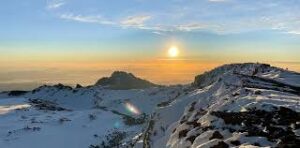
Although Kilimanjaro does not require technical climbing skills, its altitude should never be underestimated. In fact, many summit attempts are turned back not due to terrain difficulty, but because altitude sickness is experienced. For this reason, Mount Kilimanjaro altitude deserves careful attention.
What Is the Altitude of Mount Kilimanjaro?
Mount Kilimanjaro altitude stands at 5,895 meters (19,341 feet) above sea level. This height makes it the tallest mountain in Africa and the highest free-standing mountain in the world. The summit, known as Uhuru Peak, is where climbers aim to reach after several days of gradual ascent.
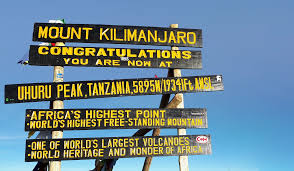
Because the climb starts at approximately 800 meters above sea level, a rapid gain in altitude is experienced over a short period. As a result, the body is forced to adapt quickly to lower oxygen levels. Consequently, proper acclimatization becomes essential.
Why Mount Kilimanjaro Altitude Is Challenging
The challenge of Mount Kilimanjaro altitude lies in the reduced oxygen availability. At the summit, oxygen levels are almost 50% lower than at sea level. As a result, normal breathing becomes more difficult, and physical exertion feels much harder.
Furthermore, altitude sickness may be experienced by climbers who ascend too quickly. Symptoms such as headaches, nausea, dizziness, and fatigue are commonly reported. In severe cases, dangerous conditions like High Altitude Pulmonary Edema (HAPE) or High Altitude Cerebral Edema (HACE) can be developed.
Therefore, the impact of Mount Kilimanjaro altitude should never be ignored.
Altitude Zones on Mount Kilimanjaro
Mount Kilimanjaro altitude can be divided into several distinct zones. Each zone affects the body differently and presents unique environmental conditions.
1. Cultivation Zone (800–1,800 m)
This is where the climb begins. Oxygen levels remain high, and altitude effects are rarely felt. Farming villages and lush landscapes are commonly seen.
2. Rainforest Zone (1,800–2,800 m)
As altitude increases, humidity rises. Although oxygen is still sufficient, mild fatigue may be noticed.
3. Heath and Moorland Zone (2,800–4,000 m)
Here, the effects of Mount Kilimanjaro altitude begin to appear. Breathing becomes slightly heavier, and temperatures drop significantly.
4. Alpine Desert Zone (4,000–5,000 m)
Vegetation becomes sparse, and oxygen levels decrease sharply. Acclimatization is critical in this zone.
5. Arctic Zone (5,000–5,895 m)
This is the summit zone. Oxygen is minimal, temperatures are freezing, and extreme fatigue is often experienced.
How Altitude Sickness Affects Climbers
Altitude sickness is one of the main risks associated with Mount Kilimanjaro altitude. Because the body receives less oxygen, it struggles to function normally. Mild symptoms are usually experienced first, but serious complications may develop if warning signs are ignored.
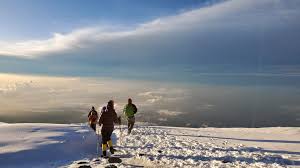
Fortunately, altitude sickness can often be prevented. By ascending slowly and allowing time for acclimatization, the body is given a chance to adapt. In addition, hydration and proper pacing are strongly recommended.
Importance of Acclimatization
Acclimatization is the key to coping with Mount Kilimanjaro altitude. Routes that include extra days are generally preferred because success rates are significantly higher. When the body is exposed gradually to higher elevations, oxygen efficiency is improved.
Moreover, the phrase “climb high, sleep low” is often applied. This strategy allows climbers to experience higher altitudes during the day while resting at lower elevations at night. As a result, adaptation is encouraged, and the risk of altitude sickness is reduced.
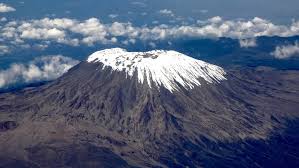
Best Routes Based on Altitude Acclimatization
Certain routes are better suited for handling Mount Kilimanjaro altitude:
-
- Lemosho Route – Highly recommended due to gradual ascent
-
- Machame Route – Offers good acclimatization with scenic views
-
- Northern Circuit Route – Longest route with the highest success rate
On the other hand, shorter routes such as Marangu are often associated with lower summit success because acclimatization time is limited.
Tips for Managing Mount Kilimanjaro Altitude
To cope effectively with Mount Kilimanjaro altitude, the following tips are advised:
-
- Walk slowly and maintain a steady pace
-
- Drink plenty of water
-
- Eat regularly, even if appetite is reduced
-
- Listen to your guide and report symptoms early
-
- Choose longer itineraries for better acclimatization
By following these strategies, the likelihood of reaching Uhuru Peak is greatly increased.
Conclusion
Mount Kilimanjaro altitude is the defining factor of the climb. While the mountain is accessible to beginners, its extreme elevation demands respect and preparation. Because oxygen levels drop significantly, the body must be given time to adjust.
With proper planning, acclimatization, and awareness, the challenges of Mount Kilimanjaro altitude can be successfully managed. As a result, standing on the Roof of Africa becomes not just a dream, but an achievable goal.