
Combo Safari

Combo Safari, Destination, Safari

Western Corridor Wildebeest Crossings: Tanzania’s Hidden Migration Spectacle

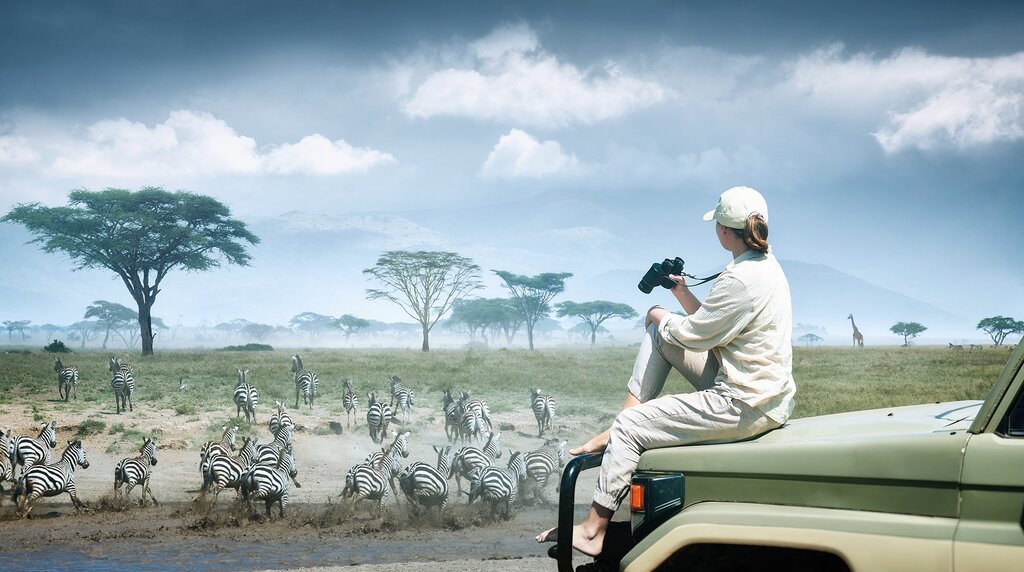
Beyond the Mara River: Discover Secret Crossing Points The Great Migration has been celebrated as one of nature’s most spectacular phenomena. However, when this wildlife marvel is mentioned, most travelers immediately think of the Mara River’s dramatic crossings. Consequently, these famous crossing points become crowded with safari vehicles during peak season. Yet, a remarkable secret has been kept by experienced safari guides: the Western Corridor wildebeest crossings offer equally thrilling experiences with far fewer tourists. At TRANSKIBO TRAVELS, we specialize in revealing these hidden gems where nature’s drama unfolds in relative solitude. Understanding the Western Corridor’s Strategic Importance Geography and Location The Western Corridor stretches along the Serengeti’s western boundary, forming a narrow strip that extends toward Lake Victoria. This region has been characterized by acacia woodlands, open grasslands, and several river systems. Moreover, the Grumeti River winds through this corridor, creating natural barriers that wildebeest must cross during their annual migration. Therefore, understanding the Western Corridor wildebeest movement patterns requires knowledge of this unique landscape. TRANSKIBO TRAVELS’ expert guides possess intimate familiarity with every crossing point and seasonal variation. Migration Timing in the Western Corridor Unlike the Mara River crossings that typically occur from July to October, Western Corridor wildebeest movements happen earlier in the migration cycle. From May to July, massive herds traverse this region on their journey northward. Additionally, return movements occur from October to November as animals head back toward the southern plains. Consequently, travelers who visit during these specific windows witness spectacular crossings without the crowds that gather at more famous locations. TRANSKIBO TRAVELS carefully times expeditions to coincide with peak crossing activity. Lesser-Known Crossing Points Worth Visiting Grumeti River Crossings: Nature’s Hidden Theater While the Grumeti River has been recognized by wildlife enthusiasts, specific crossing points remain relatively unknown to mainstream tourism. Several locations offer extraordinary viewing opportunities: Kirawira Crossing Point Located in the northern section of the Western Corridor, this crossing point has been favored by wildebeest due to relatively gentle riverbanks. Furthermore, the surrounding woodland provides excellent cover for predators, creating additional drama. TRANSKIBO TRAVELS positions clients at strategic viewpoints where the entire spectacle unfolds naturally. Ndabaka Gate Area Near the park’s western entrance, several crossing points have been identified along smaller tributaries. These locations see significant Western Corridor wildebeest activity, particularly during early morning hours. Moreover, the area’s remoteness ensures authentic, uncrowded wildlife viewing. Retima Hippo Pool Region This section of the Grumeti River has been characterized by deep pools inhabited by large hippo populations. Consequently, when wildebeest attempt crossings here, the tension becomes palpable. Enormous Nile crocodiles also patrol these waters, adding another dimension to the crossing drama. Mbalageti River Crossings Lesser-known than the Grumeti, the Mbalageti River presents its own challenges to migrating herds. Several crossing points have been documented by TRANSKIBO TRAVELS’ experienced guides: Rocky Ford Crossings Where the Mbalageti narrows between rocky outcrops, Western Corridor wildebeest herds often congregate before attempting crossings. The bottleneck effect creates spectacular concentrations of animals. Additionally, the rocks provide elevated viewing positions for photographers. Woodland Edge Crossings In areas where riverine forest meets open grassland, wildebeest crossings take on different characteristics. Animals emerge from woodland cover, assess the crossing point, and plunge forward in waves. Therefore, these locations offer unique photographic opportunities with varied backgrounds. What Makes Western Corridor Crossings Special Fewer Crowds, More Authentic Experiences Perhaps the most significant advantage of Western Corridor wildebeest viewing is the absence of vehicle congestion. While Mara River crossings might attract dozens of safari vehicles, Western Corridor crossings are often witnessed by only a handful of fortunate travelers. Consequently, the experience feels more authentic and intimate. TRANSKIBO TRAVELS deliberately limits group sizes to ensure every guest enjoys unobstructed views and personalized attention from expert guides. Predator Concentrations The Western Corridor has been known for exceptional predator densities. Large lion prides patrol the area, anticipating the migrating herds’ arrival. Moreover, leopards inhabit the riverine forests, while cheetahs hunt on the open plains. Therefore, visitors witness not just crossings, but the entire predator-prey dynamic in action. Diverse Ecosystems Unlike the Mara River area’s predominantly open grasslands, the Western Corridor wildebeest routes traverse varied habitats. Acacia woodlands, kopjes (rock outcrops), riverine forests, and plains all feature in this landscape. Consequently, the wildlife viewing experience becomes more diverse and visually interesting. Best Time to Visit Western Corridor for Crossings Peak Season (May to July) This period has been identified as optimal for witnessing Western Corridor wildebeest crossings. The massive herds arrive from the southern plains, encountering the Grumeti and Mbalageti rivers in their northward journey. Furthermore, water levels remain significant enough to create challenging crossings, yet not so high that animals avoid them entirely. TRANSKIBO TRAVELS recommends June specifically, when crossing activity reaches its peak and weather conditions remain favorable for game viewing. Secondary Season (October to November) As the migration returns southward, another opportunity presents itself. While typically less dramatic than the northward movement, these crossings still offer spectacular viewing. Moreover, tourist numbers decrease significantly during this period. Therefore, travelers seeking solitude and authenticity find this timing ideal. Wildlife Beyond the Migration Resident Species While Western Corridor wildebeest crossings attract most attention, the region supports diverse resident wildlife year-round: Large elephant herds traverse the corridor regularly Buffalo congregate in substantial numbers near water sources Giraffes browse among acacia trees Various antelope species including topi, eland, and impala Therefore, even if migration timing doesn’t align perfectly, extraordinary wildlife viewing is guaranteed. TRANSKIBO TRAVELS designs itineraries that showcase both migratory and resident species. Birdlife The Western Corridor’s varied habitats have been recognized as excellent for bird watching. Over 500 species have been recorded in the Serengeti ecosystem, with many concentrated in this region. Consequently, avid birders find the Western Corridor particularly rewarding. Photography Opportunities in the Western Corridor Unique Perspectives The varied terrain offers photographers diverse compositional opportunities. Wildebeest silhouetted against acacia trees, predators stalking through tall grass, and dramatic river crossings all present themselves. Moreover, fewer vehicles mean cleaner shots without interference from other safari trucks. TRANSKIBO TRAVELS
15 Day Kilimanjaro Tanzania & Zanzibar Tours
Combo Safari, Safari

15 Day Kilimanjaro Tanzania & Zanzibar Tours

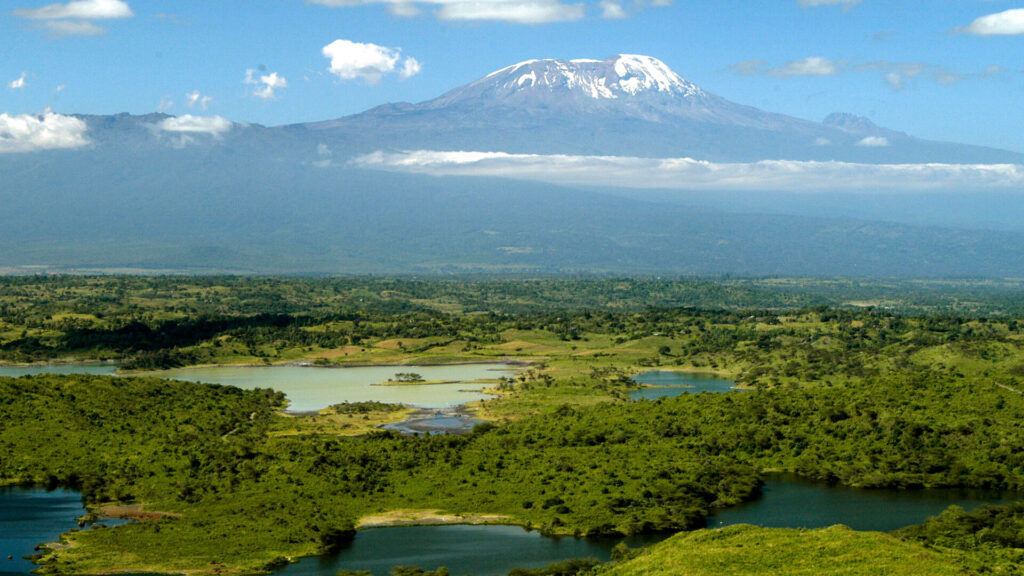
Plan Your Trip Price from What’s included in the price? $1,230 Chat on Whatsapp 15 Day Kilimanjaro Tanzania & Zanzibar Tours Enjoy a 15 Day Kilimanjaro Tanzania & Zanzibar Tours, combining the excitement of climbing Mount Kilimanjaro, exploring amazing wildlife, and relaxing on Zanzibar’s beaches. Start with a stay at The Maridadi Hotel in Moshi before climbing the Machame Route to Uhuru Peak, Africa’s highest point. After descending, go on safaris in Lake Manyara, the Serengeti, and the Ngorongoro Crater, spotting lions, elephants, rhinos, and more. Finish your trip in Zanzibar with beautiful beaches, spice farm visits, and a tour of Stone Town. This 15 Day Kilimanjaro Tanzania & Zanzibar Tours is perfect for adventure, wildlife, and relaxation. 15 Day Kilimanjaro Tanzania & Zanzibar Tours Day 1: Arrival in Moshi – The Maridadi Hotel Arrive at Kilimanjaro International Airport and meet your guide for transfer to The Maridadi Hotel in Moshi. Rest and unwind after your flight. Later, meet your Kilimanjaro manager and guide for a detailed briefing and gear check. Enjoy the evening at the hotel with dinner and prepare for your trek starting the next day. Location: MoshiAccommodation: The Maridadi Hotel | Dinner Day 2: Moshi – Machame Gate (1,490 m) to Machame Camp (2,980 m) After breakfast, drive to Machame Gate, passing local villages, banana plantations, and coffee farms. Complete park formalities, including luggage checks and permit issuance. Begin your trek through rainforest with chances to see birds and monkeys. Trek 11 km (5–7 hours) to Machame Camp, where porters set up tents and hot dinner is served. Habitat: Montane forestAccommodation: Machame Camp | All meals Day 3: Machame Camp (2,980 m) to Shira Camp (3,840 m) Continue your climb through heathland and afro-alpine moorland with panoramic views of Kilimanjaro. Pass Giant Heather, Erica bushes, lobelias, and volcanic rocks. Trek 9 km (5–6 hours) to Shira Camp. Habitat: MoorlandAccommodation: Shira Camp | All meals Day 4: Shira Camp (3,840 m) – Lava Tower (4,630 m) – Barranco Camp (3,950 m) Ascend to Lava Tower for acclimatization, then descend 680 meters to Barranco Camp in the Barranco Valley. Trek approximately 15 km (7 hours) through semi-desert terrain, witnessing volcanic rock formations and high-altitude vegetation. Habitat: Semi-desertAccommodation: Barranco Camp | Full board Day 5: Barranco Camp (3,950 m) – Barafu Camp (4,550 m) Climb the Barranco Wall early to avoid congestion, then traverse rocky alpine desert terrain with views of Kibo Peak and glaciers. Reach Karanga Camp en route, and continue to Barafu Camp at 4,550 m. Rest and prepare for summit attempt. Habitat: Alpine desertAccommodation: Barafu Camp | Full board Day 6: Summit Day – Barafu Camp (4,550 m) to Uhuru Peak (5,895 m) – Mweka Camp (3,100 m) Wake before midnight for the final ascent. Trek slowly through ice, scree, and rocks to Stella Point (5,740 m) and onward to Uhuru Peak. Celebrate at the summit and take photos. Begin descent via the same route to Barafu Camp for lunch, then continue down to Mweka Camp for overnight rest. Habitat: Stone scree and ice-capped summitAccommodation: Mweka Camp | All meals Day 7: Mweka Camp (3,100 m) – Mweka Gate (1,980 m) – Moshi Descend 10–15 km through rainforest to Mweka Gate, sign the certificate book, and receive your summit certificate. Transfer back to The Maridadi Hotel in Moshi for a hot shower, relaxation, and dinner. Location: MoshiAccommodation: The Maridadi Hotel | Dinner & Breakfast Day 8: Moshi – Lake Manyara National Park – Lake Eyasi Drive to Lake Manyara National Park for morning game viewing. Spot tree-climbing lions, flamingos, baboons, and other wildlife. Later, visit the Datoga tribe and a blacksmith at Lake Eyasi. Enjoy sunset walk by the lakeshore and overnight at Lake Eyasi Safari Lodge. Accommodation: Lake Eyasi Safari Lodge | Dinner & Breakfast Day 9: Lake Eyasi – Serengeti National Park After a morning Bushmen cultural experience and survival skills demo, drive through the Ngorongoro Conservation Area into the heart of the Serengeti National Park. Arrive in the Seronera area, enjoy lunch, then take an afternoon game drive. Accommodation: Tanzania Bush Camps | Dinner & Breakfast Day 10: Full Day Serengeti National Park Spend the day on early morning and afternoon game drives. Observe predators, grazers, and, seasonally, the Great Migration. Return to camp for dinner and overnight. Accommodation: Tanzania Bush Camps | Dinner & Breakfast Day 11: Serengeti – Ngorongoro Crater Drive to Ngorongoro Conservation Area, descend 600 meters into Ngorongoro Crater for a half-day game drive. Spot lions, elephants, rhinos, buffalo, and hippos, as well as flamingos at Lake Magadi. Overnight at Marera Valley Lodge. Accommodation: Marera Valley Lodge | Full board Day 12: Ngorongoro – Cultural Tour – Arusha – Fly to Zanzibar Morning game drive in Ngorongoro Crater to spot the Big Five. After a picnic lunch, drive to Arusha and catch a flight to Zanzibar. Transfer to your beach resort and enjoy a relaxing evening. Accommodation: Ocean Paradise Resort | Breakfast, Lunch & Dinner Day 13: Zanzibar Beach Leisure Relax at the beach or enjoy water sports and diving at the resort. Optional excursions can be arranged. Accommodation: Ocean Paradise Resort | Breakfast & Dinner Day 14: Zanzibar Spice Farm & Stone Town Tour After breakfast, tour Zanzibar Spice Gardens, sample Swahili cuisine, then explore Stone Town, a UNESCO World Heritage Site. Visit the Old Fort, House of Wonders, and local markets for souvenirs and spices. Return to your beach resort. Accommodation: Ocean Paradise Resort | Breakfast & Dinner Day 15: Departure from Zanzibar Depending on flight schedule, transfer to Zanzibar Airport for your departure. For connecting flights via Dar es Salaam or Nairobi, arrangements can be made. The Price includes Airport Pickup & drop off from Kilimanjaro Airport Accommodation in Arusha before & After Safari Transport and game drives in a clean well well-maintained 4WD Land Cruiser with a photographic roof hatch Hotel, Lodge & Tented Camp mentioned in the Itinerary 03 days private safari from Moshi / drop off at Arusha All meals as indicated on the itinerary Services of a professional English-speaking safari guide All game reserve entry fees All game drives, as mentioned Tourist Development Levy Wildlife Management Area Fees were applicable Value Added Tax by the Tanzania Revenue Authority Unlimited mineral water

14-Day Kilimanjaro & Tanzania Safari
Combo Safari

14-Day Kilimanjaro & Tanzania Safari

Plan Your Trip Price from What’s included in the price? $1,230 Chat on Whatsapp Overview of the 14-Day Kilimanjaro & Tanzania Safari Experience an unforgettable 14-day adventure in Tanzania, combining the excitement of climbing Mount Kilimanjaro with amazing wildlife safaris. Start your journey with a stay at The Maridadi Hotel in Moshi before tackling the Machame Route to Uhuru Peak, Africa’s highest point. After your climb, explore Tarangire, Lake Manyara, the Serengeti, and the Ngorongoro Crater, with daily game drives and stays in comfortable lodges. This safari offers the perfect mix of adventure, nature, and relaxation, creating memories that will last a lifetime. 14-Day Kilimanjaro & Tanzania Safari Day 1: Arrival in Moshi – The Maridadi HotelArrive at Kilimanjaro International Airport and meet your guide for a transfer to The Maridadi Hotel in Moshi. Relax and settle into your elegantly furnished room, enjoying views of the gardens or pool. In the evening, enjoy a welcome dinner and briefing about your upcoming adventure, preparing for the Kilimanjaro climb and safari journey ahead. Day 2: Machame Gate – Machame Camp (2,835 m)After breakfast, drive to Machame Gate to register for your climb. Begin your ascent through lush rainforest, following a winding trail to Machame Camp. Look out for exotic birds and small wildlife along the way. Upon arrival, settle into camp, enjoy tea or coffee, and rest for the night. Day 3: Machame Camp – Shira Camp (3,840 m)Today’s trek leads you through the heath and moorland zone to Shira Camp, passing unique flora and enjoying spectacular views of Kilimanjaro’s western face. The terrain gradually rises, allowing your body to acclimatize. Relax at camp and enjoy dinner while admiring the evening sunset. Day 4: Shira Camp – Barranco Camp (3,960 m)Ascend to the Barranco Camp, navigating the famous Barranco Wall. The climb is steep but manageable, with rewarding views of the surrounding valleys and giant senecios. Enjoy lunch at camp and take some time to rest before dinner. Day 5: Barranco Camp – Karanga Camp (4,035 m)Start the day with a short trek along the Karanga Valley. This day is slightly shorter to help with acclimatization. Arrive at Karanga Camp, rest, and enjoy the beautiful views of Kibo’s glaciers as you prepare for the next stage of the climb. Day 6: Karanga Camp – Barafu Camp (4,640 m)Continue ascending through the alpine desert toward Barafu Camp, the base for your summit attempt. The terrain is rocky and barren, with incredible panoramic views. Spend the afternoon resting, organizing your gear, and preparing for the midnight summit climb. Day 7: Barafu Camp – Uhuru Peak (5,895 m) – Mweka Camp (3,080 m)Start the climb to Uhuru Peak just after midnight. Trek through frozen volcanic ash and scree, reaching Stella Point on the crater rim by sunrise. Continue for another hour to stand on Uhuru Peak, the highest point in Africa. Celebrate the achievement before descending to Mweka Camp for rest and dinner. Day 8: Mweka Camp – Mweka Gate – MoshiComplete the final descent through the forest to Mweka Gate, where you receive your summit certificate. Transfer back to The Maridadi Hotel in Moshi to relax, enjoy a hot shower, and recover from the climb. Day 9: Moshi – Tarangire National ParkDepart for Tarangire National Park, famous for large elephant herds and iconic baobab trees. Enjoy an afternoon game drive, spotting zebras, giraffes, and lions. Check into your lodge for dinner and overnight stay. Day 10: Tarangire – Lake Manyara National ParkAfter breakfast, head to Lake Manyara National Park, renowned for its tree-climbing lions and flamingo-filled lake. Take a morning and afternoon game drive to explore the park. Check into Lake Manyara Serena Safari Lodge or similar for a relaxing evening. Day 11: Lake Manyara – Serengeti National ParkDrive to Serengeti National Park, stopping en route for a picnic or brief game viewing. Arrive at your lodge or tented camp in the afternoon. Enjoy your first Serengeti sunset over the vast plains and prepare for the following day’s game drives. Day 12: Serengeti National Park – Full Day SafariSpend a full day exploring the Serengeti. Morning and afternoon game drives increase your chances of seeing lions, cheetahs, elephants, and, depending on the season, the Great Migration. Enjoy a bush lunch in the park and return to camp for dinner under the stars. Day 13: Serengeti – Ngorongoro Conservation AreaDrive to the Ngorongoro Conservation Area. Descend into the crater for an afternoon game drive, witnessing a unique ecosystem home to the Big Five and hundreds of other species. Overnight at a lodge overlooking the crater, enjoying dinner and the spectacular views. Day 14: Ngorongoro Crater – DepartureEnjoy a morning game drive in the Ngorongoro Crater, then transfer back to Kilimanjaro International Airport for your departure. Conclude your 14-day adventure with unforgettable memories of Kilimanjaro, the Serengeti, Ngorongoro, and Tanzania’s wildlife. The Price includes Airport Pickup & drop off from Kilimanjaro Airport Accommodation in Arusha before & After Safari Transport and game drives in a clean well well-maintained 4WD Land Cruiser with a photographic roof hatch Hotel, Lodge & Tented Camp mentioned in the Itinerary 03 days private safari from Moshi / drop off at Arusha All meals as indicated on the itinerary Services of a professional English-speaking safari guide All game reserve entry fees All game drives, as mentioned Tourist Development Levy Wildlife Management Area Fees were applicable Value Added Tax by the Tanzania Revenue Authority Unlimited mineral water throughout the trip Trekking Exluded The Price does not include International Airfare Airport transfers in a private car (if needed) All items of a personal nature Tips and gratuities for safari guide & lodge /camp staff Travel insurance Accommodation at Arusha before/after the safari Laundry services during the safari Alcoholic and non-alcoholic drinks & beverages Request a Program We are always here to help

Scroll to Top

Enquire Now

Fill out the form below, and we will be in touch shortly.
Contact Information
Arrival Information
Preferred Where to go