Destination

Combo Safari, Destination, Safari

Western Corridor Wildebeest Crossings: Tanzania’s Hidden Migration Spectacle

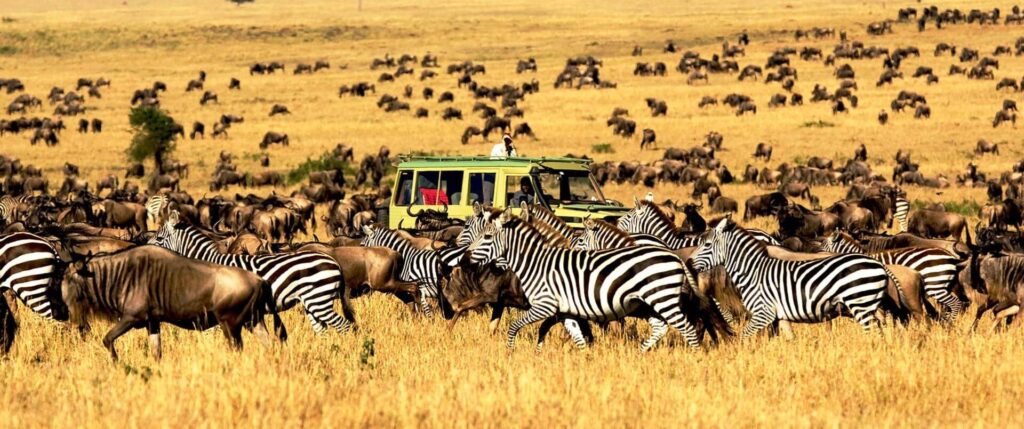
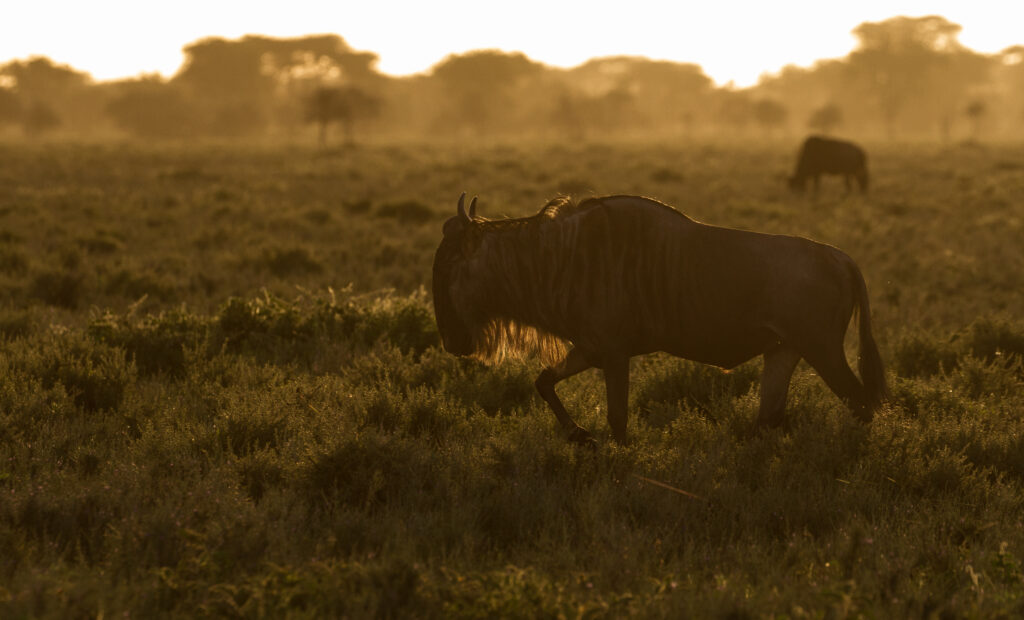
Beyond the Mara River: Discover Secret Crossing Points The Great Migration has been celebrated as one of nature’s most spectacular phenomena. However, when this wildlife marvel is mentioned, most travelers immediately think of the Mara River’s dramatic crossings. Consequently, these famous crossing points become crowded with safari vehicles during peak season. Yet, a remarkable secret has been kept by experienced safari guides: the Western Corridor wildebeest crossings offer equally thrilling experiences with far fewer tourists. At TRANSKIBO TRAVELS, we specialize in revealing these hidden gems where nature’s drama unfolds in relative solitude. Understanding the Western Corridor’s Strategic Importance Geography and Location The Western Corridor stretches along the Serengeti’s western boundary, forming a narrow strip that extends toward Lake Victoria. This region has been characterized by acacia woodlands, open grasslands, and several river systems. Moreover, the Grumeti River winds through this corridor, creating natural barriers that wildebeest must cross during their annual migration. Therefore, understanding the Western Corridor wildebeest movement patterns requires knowledge of this unique landscape. TRANSKIBO TRAVELS’ expert guides possess intimate familiarity with every crossing point and seasonal variation. Migration Timing in the Western Corridor Unlike the Mara River crossings that typically occur from July to October, Western Corridor wildebeest movements happen earlier in the migration cycle. From May to July, massive herds traverse this region on their journey northward. Additionally, return movements occur from October to November as animals head back toward the southern plains. Consequently, travelers who visit during these specific windows witness spectacular crossings without the crowds that gather at more famous locations. TRANSKIBO TRAVELS carefully times expeditions to coincide with peak crossing activity. Lesser-Known Crossing Points Worth Visiting Grumeti River Crossings: Nature’s Hidden Theater While the Grumeti River has been recognized by wildlife enthusiasts, specific crossing points remain relatively unknown to mainstream tourism. Several locations offer extraordinary viewing opportunities: Kirawira Crossing Point Located in the northern section of the Western Corridor, this crossing point has been favored by wildebeest due to relatively gentle riverbanks. Furthermore, the surrounding woodland provides excellent cover for predators, creating additional drama. TRANSKIBO TRAVELS positions clients at strategic viewpoints where the entire spectacle unfolds naturally. Ndabaka Gate Area Near the park’s western entrance, several crossing points have been identified along smaller tributaries. These locations see significant Western Corridor wildebeest activity, particularly during early morning hours. Moreover, the area’s remoteness ensures authentic, uncrowded wildlife viewing. Retima Hippo Pool Region This section of the Grumeti River has been characterized by deep pools inhabited by large hippo populations. Consequently, when wildebeest attempt crossings here, the tension becomes palpable. Enormous Nile crocodiles also patrol these waters, adding another dimension to the crossing drama. Mbalageti River Crossings Lesser-known than the Grumeti, the Mbalageti River presents its own challenges to migrating herds. Several crossing points have been documented by TRANSKIBO TRAVELS’ experienced guides: Rocky Ford Crossings Where the Mbalageti narrows between rocky outcrops, Western Corridor wildebeest herds often congregate before attempting crossings. The bottleneck effect creates spectacular concentrations of animals. Additionally, the rocks provide elevated viewing positions for photographers. Woodland Edge Crossings In areas where riverine forest meets open grassland, wildebeest crossings take on different characteristics. Animals emerge from woodland cover, assess the crossing point, and plunge forward in waves. Therefore, these locations offer unique photographic opportunities with varied backgrounds. What Makes Western Corridor Crossings Special Fewer Crowds, More Authentic Experiences Perhaps the most significant advantage of Western Corridor wildebeest viewing is the absence of vehicle congestion. While Mara River crossings might attract dozens of safari vehicles, Western Corridor crossings are often witnessed by only a handful of fortunate travelers. Consequently, the experience feels more authentic and intimate. TRANSKIBO TRAVELS deliberately limits group sizes to ensure every guest enjoys unobstructed views and personalized attention from expert guides. Predator Concentrations The Western Corridor has been known for exceptional predator densities. Large lion prides patrol the area, anticipating the migrating herds’ arrival. Moreover, leopards inhabit the riverine forests, while cheetahs hunt on the open plains. Therefore, visitors witness not just crossings, but the entire predator-prey dynamic in action. Diverse Ecosystems Unlike the Mara River area’s predominantly open grasslands, the Western Corridor wildebeest routes traverse varied habitats. Acacia woodlands, kopjes (rock outcrops), riverine forests, and plains all feature in this landscape. Consequently, the wildlife viewing experience becomes more diverse and visually interesting. Best Time to Visit Western Corridor for Crossings Peak Season (May to July) This period has been identified as optimal for witnessing Western Corridor wildebeest crossings. The massive herds arrive from the southern plains, encountering the Grumeti and Mbalageti rivers in their northward journey. Furthermore, water levels remain significant enough to create challenging crossings, yet not so high that animals avoid them entirely. TRANSKIBO TRAVELS recommends June specifically, when crossing activity reaches its peak and weather conditions remain favorable for game viewing. Secondary Season (October to November) As the migration returns southward, another opportunity presents itself. While typically less dramatic than the northward movement, these crossings still offer spectacular viewing. Moreover, tourist numbers decrease significantly during this period. Therefore, travelers seeking solitude and authenticity find this timing ideal. Wildlife Beyond the Migration Resident Species While Western Corridor wildebeest crossings attract most attention, the region supports diverse resident wildlife year-round: Large elephant herds traverse the corridor regularly Buffalo congregate in substantial numbers near water sources Giraffes browse among acacia trees Various antelope species including topi, eland, and impala Therefore, even if migration timing doesn’t align perfectly, extraordinary wildlife viewing is guaranteed. TRANSKIBO TRAVELS designs itineraries that showcase both migratory and resident species. Birdlife The Western Corridor’s varied habitats have been recognized as excellent for bird watching. Over 500 species have been recorded in the Serengeti ecosystem, with many concentrated in this region. Consequently, avid birders find the Western Corridor particularly rewarding. Photography Opportunities in the Western Corridor Unique Perspectives The varied terrain offers photographers diverse compositional opportunities. Wildebeest silhouetted against acacia trees, predators stalking through tall grass, and dramatic river crossings all present themselves. Moreover, fewer vehicles mean cleaner shots without interference from other safari trucks. TRANSKIBO TRAVELS

Destination, Safari

Top 10 Must Visit National Parks in Tanzania

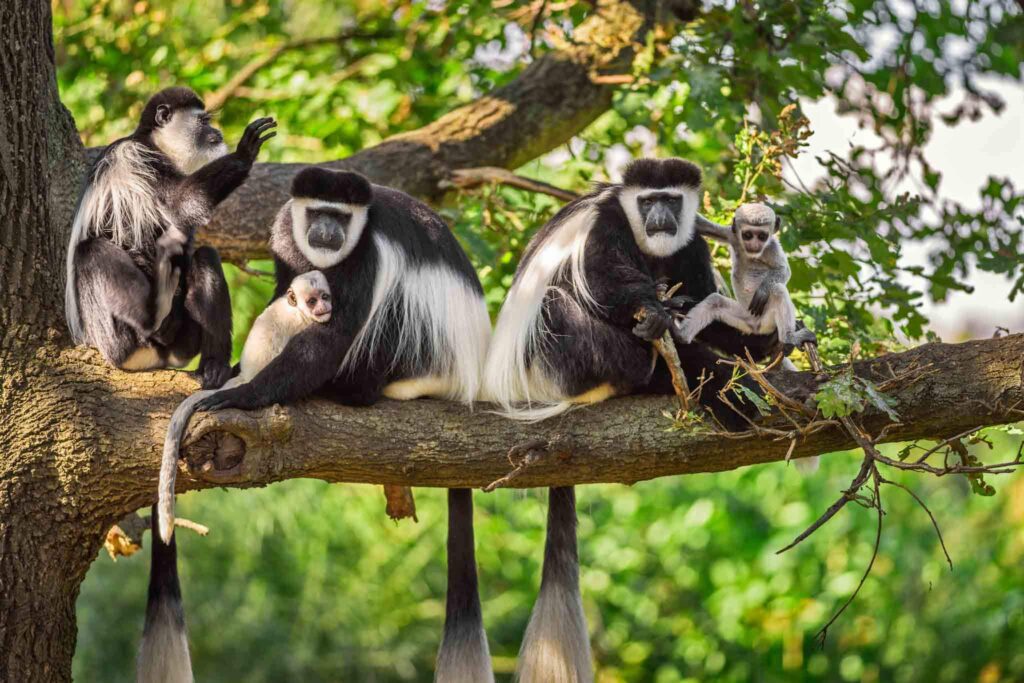
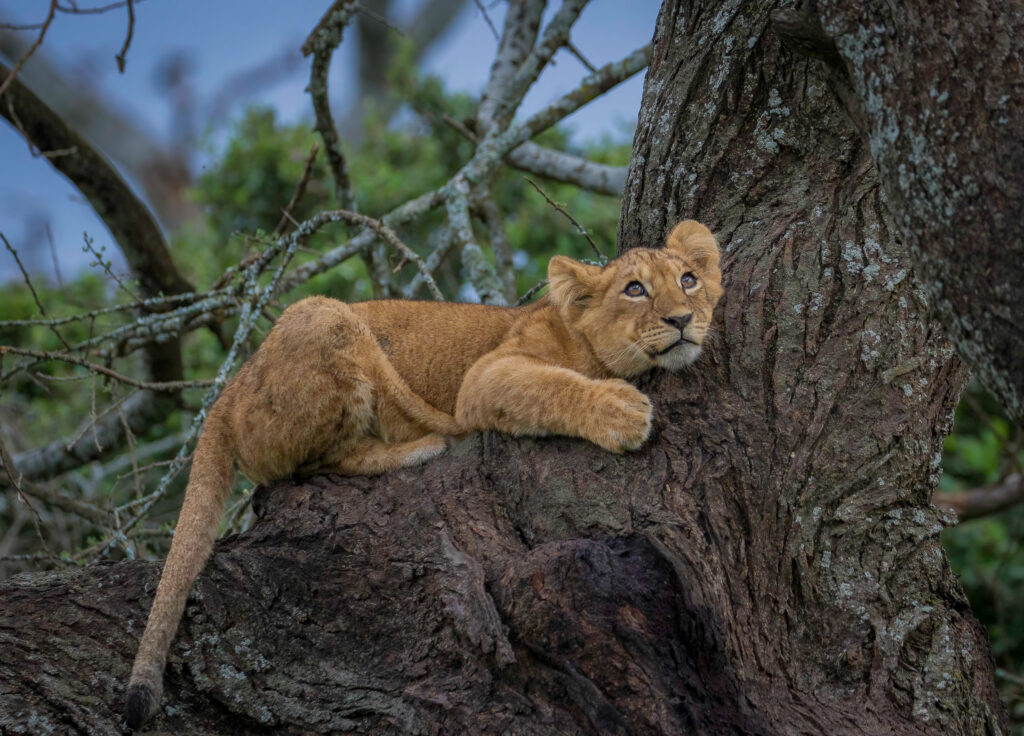
Tanzania is one of Africa’s most incredible safari destinations and it attracts many travelers who wish to explore beautiful parks filled with wildlife. Therefore it remains a perfect place for visitors who want unforgettable adventures with Trans-kibo Travel LTD in every remarkable location. Here are the top ten national parks that offer amazing experiences for both new travelers and returning adventurers who love nature. Serengeti National Park: Is known worldwide and it offers endless plains where the Great Migration moves across the grasslands in a powerful cycle. Moreover travelers enjoy viewing lions, cheetahs, elephants and many other animals that make the Serengeti a beautiful and thrilling safari destination always. Ngorongoro Conservation Area: protects the famous crater and it provides visitors with a natural amphitheater where wildlife gathers throughout the year in harmony. Additionally the surrounding highlands offer wonderful views and cultural areas that allow travelers to learn more about nature and local communities together. Tarangire National Park: Is loved for large elephant herds and its giant baobab trees that decorate the landscape in a unique and peaceful way. Furthermore animals gather around the Tarangire River during the dry season which makes wildlife viewing easier and more exciting for visitors each day. Lake Manyara National Park: Is Known for tree climbing lions and its colorful flamingos that brighten the lake edges with beautiful shades in sunlight. Besides the diverse habitats allow travelers to enjoy forests open areas and local community experiences that create a complete and enjoyable safari journey. Ruaha National Park: Is Tanzania’s largest park and it offers quiet wilderness that appeals to travelers who prefer remote and natural safari environments always. In addition its rugged terrain and wide open areas make it perfect for spotting elephants predators and many bird species during long game drives. Nyerere National Park: Is one of Africa’s biggest protected areas and it provides river safaris walking experiences and classic game drives that visitors enjoy greatly. Likewise the Rufiji River supports hippos crocodiles and birds which makes the park a peaceful and beautiful place for nature lovers every season. Mikumi National Park: Is easy to reach from Dar es Salaam and it offers open plains that look similar to the Serengeti during dry months. Also travelers with limited time appreciate the simple access and reliable wildlife sightings that make Mikumi a convenient and enjoyable safari option. Katavi National Park: Remains untouched and remote which allows travelers to enjoy true wilderness with fewer crowds and more natural wildlife behavior everywhere around them. Similarly during the dry season hippos crocodiles and other animals gather near water sources which creates powerful scenes for photography and adventure. Mahale Mountains National Park: Lies on Lake Tanganyika and it offers chimpanzee trekking experiences in lush forests that feel peaceful and magical for visitors. Moreover the clear water beaches and mountain scenery make Mahale one of Tanzania’s most beautiful and unforgettable places for nature enthusiasts always. Arusha National Park: Sits near Mount Meru and it offers walking safaris canoeing and short game drives that suit visitors with limited time available. Additionally the Momella Lakes and forest areas provide great opportunities for viewing colobus monkeys giraffes and many bird species during easy excursions.

Destination

Ruaha National Park

Plan Your Trip Ruaha National Park is one of Tanzania’s most pristine and untouched wilderness areas, offering a truly authentic safari experience. As the country’s largest national park, Ruaha boasts dramatic landscapes ranging from rolling hills and rugged baobab-dotted plains to the life-giving Great Ruaha River. This diverse ecosystem supports an incredible array of wildlife, including large prides of lions, cheetahs, leopards, wild dogs, elephants, giraffes, and vast herds of buffalo. With fewer visitors than other parks, Ruaha provides a sense of exclusivity and serenity, making game drives feel intimate and rewarding. Bird lovers will be delighted by the park’s 570+ bird species, especially during the green season when migratory birds arrive. Whether you’re exploring during the dry season for peak wildlife sightings or visiting after the rains for lush scenery, Ruaha delivers an unforgettable, off-the-beaten-path safari adventure. Request a Program We are always here to help

Destination

Arusha National Park

Plan Your Trip Arusha National Park is a diverse and scenic gem located just a short drive from the city of Arusha, making it one of Tanzania’s most accessible wildlife destinations. Despite its small size, the park offers an incredible variety of landscapes, from the lush forests of Mount Meru to the open grasslands of the Serengeti Ndogo and the sparkling alkaline waters of Momella Lakes. Visitors can enjoy unique activities such as walking safaris, canoeing, and hiking, offering a closer, more intimate encounter with nature. Wildlife sightings include giraffes, buffaloes, zebras, waterbucks, and an impressive array of bird species, while leopards and hyenas are occasionally spotted. The park is also home to the beautiful Ngurdoto Crater, often referred to as the “Little Ngorongoro,” with its steep walls and swamp-filled floor. Arusha National Park is perfect for day trips, rewarding visitors with rich biodiversity and breathtaking scenery. Request a Program We are always here to help

Destination

Ngorongoro Crater

Plan Your Trip Ngorongoro Crater is one of Africa’s most remarkable natural wonders, offering an unmatched wildlife experience in a breathtaking setting. Formed millions of years ago after the collapse of a massive volcano, the crater is now a thriving haven for diverse animal species. Its fertile grasslands, freshwater springs, and forested walls support an incredible concentration of wildlife, making it one of the best places in Tanzania for year-round game viewing. Here, you can spot the Big Five—lion, elephant, buffalo, leopard, and the rare black rhino—alongside countless zebras, wildebeests, hippos, and colorful birdlife. The crater’s natural enclosure creates a unique ecosystem where animals roam freely within the caldera, offering visitors close and uninterrupted encounters. Scenic viewpoints on the rim provide sweeping panoramas, while game drives across the crater floor reveal an ever-changing landscape of lakes, swamps, and open plains. Ngorongoro Crater promises an unforgettable blend of beauty, wildlife, and adventure. Request a Program We are always here to help

Destination

Lake Manyara National Park

Plan Your Trip Lake Manyara National Park is one of Tanzania’s most scenic and diverse wildlife destinations, offering an unforgettable blend of landscapes, wildlife, and birdlife. Nestled at the base of the Great Rift Valley, the park is famous for its stunning soda lake that attracts thousands of flamingos and a wide variety of water birds. Beyond the shimmering lake, visitors can explore lush groundwater forests, open grasslands, and acacia woodlands, each home to unique wildlife species. Lake Manyara is renowned for its tree-climbing lions, large elephant populations, and playful troops of baboons—the park hosts some of the largest concentrations of baboons in Africa. Hippos, giraffes, zebras, buffaloes, and countless bird species complete the rich ecosystem. With its compact size, the park is perfect for half-day or full-day game drives, making wildlife viewing easy and rewarding. Lake Manyara offers a peaceful, picturesque safari experience ideal for nature lovers, birdwatchers, and photographers. Request a Program We are always here to help

Destination

Tarangire National Park

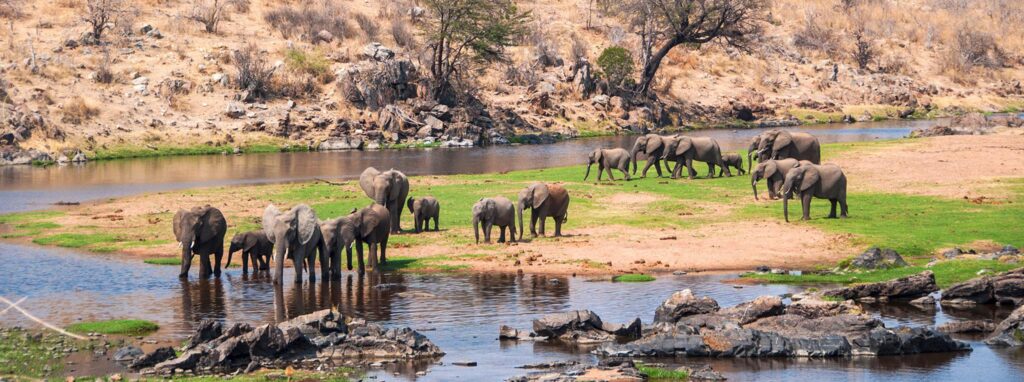
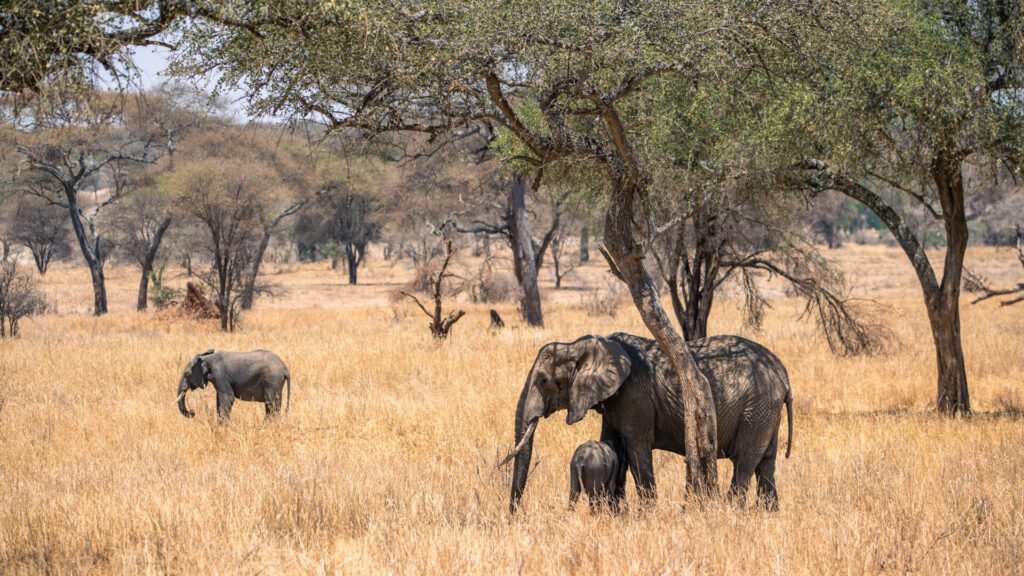
Plan Your Trip Tarangire National Park is one of Tanzania’s most captivating wildlife destinations, renowned for its ancient baobab trees, sweeping savannah landscapes, and large concentrations of animals—especially during the dry season. The park is famous for hosting one of the highest densities of elephants in East Africa, offering incredible close-up sightings as herds gather around the Tarangire River, the park’s lifeline. Beyond elephants, Tarangire is home to lions, leopards, cheetahs, buffalos, zebras, giraffes, wildebeests, and over 550 bird species, making it a paradise for bird lovers. The park’s unique mix of swamps, woodlands, and riverine forests provides diverse habitats that support rich wildlife activity throughout the year. Visitors can enjoy game drives, walking safaris, and stunning sunset views over the baobab-dotted plains. Peaceful and less crowded compared to other parks, Tarangire offers an authentic, tranquil safari experience perfect for nature enthusiasts and photographers alike. Request a Program We are always here to help

Destination

Serengeti National Park

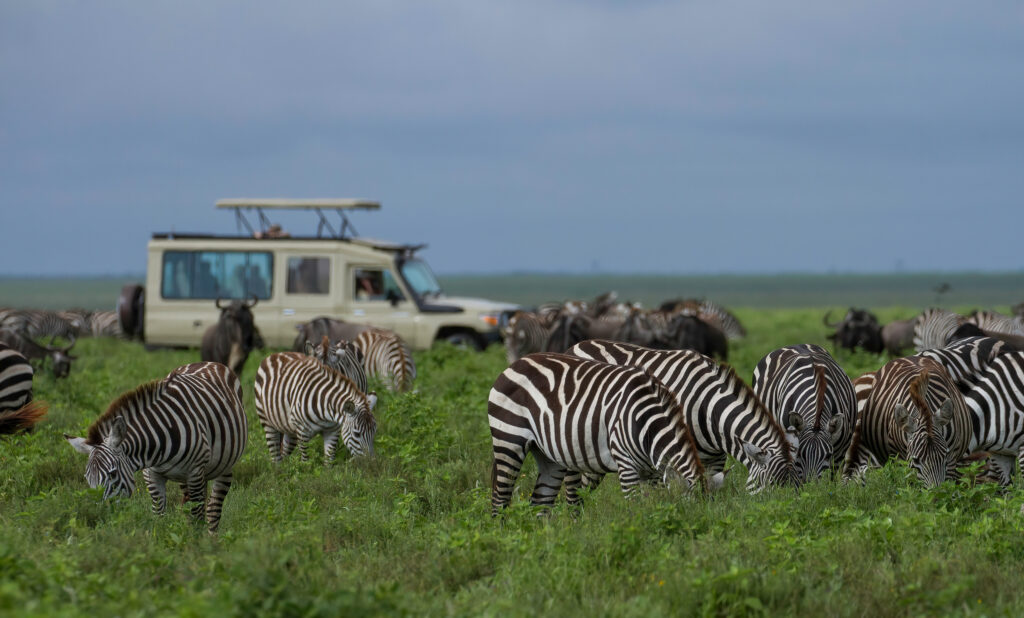
Plan Your Trip Serengeti National Park is one of Africa’s most iconic wildlife destinations, renowned for its vast plains, rich biodiversity, and dramatic natural events. Spanning over 14,700 square kilometers, the Serengeti is home to an incredible array of wildlife, including lions, elephants, cheetahs, leopards, buffalo, and countless bird species. The park’s most famous spectacle is the Great Migration, where millions of wildebeests, zebras, and gazelles move across the plains in search of fresh grazing, creating one of the world’s most breathtaking wildlife displays. The Serengeti offers diverse habitats—from open grasslands and acacia woodlands to riverine forests—making it a paradise for wildlife lovers and photographers. Visitors can enjoy thrilling game drives, hot air balloon safaris, and cultural encounters with nearby Maasai communities. Whether you’re witnessing a predator hunt at sunrise or gazing across endless golden plains, Serengeti National Park promises an unforgettable safari experience filled with wonder and timeless African beauty. Request a Program We are always here to help

Scroll to Top

Enquire Now

Fill out the form below, and we will be in touch shortly.
Contact Information
Arrival Information
Preferred Where to go