Author name: transkibo

Uncategorized

Chimpanzee Trekking in Tanzania: Discover the Hidden Rainforests of Mahale

Chimpanzee Trekking in Tanzania: Discover the Hidden Rainforests of Mahale An extraordinary primate adventure far from traditional safari routes. When Tanzania tourism is discussed, the Serengeti is usually mentioned first.However, extraordinary primate adventures are quietly offered in the remote western region.Chimpanzee Trekking Tanzania experiences are considered among Africa’s rarest wildlife encounters. Discover the Remote Mahale Mountains Deep along the shores of Lake Tanganyika, the untouched forests of Mahale Mountains National Park are protected.Unlike northern safari parks, this destination is accessible only by boat or small aircraft.Consequently, visitor numbers are kept intentionally low throughout the year. Dense rainforests are spread across steep mountain slopes and crystal-clear beaches.Because of this isolation, biodiversity has been carefully preserved for decades.Therefore, an authentic wilderness atmosphere is genuinely experienced by travelers. Encounter Wild Chimpanzees Most importantly, habituated chimpanzee families are monitored daily by park researchers.Guided trekking excursions are organized in small groups for safety.During these treks, chimpanzees are respectfully observed in their natural habitat. Playful juveniles are often seen swinging between branches overhead.Meanwhile, dominant males are heard vocalizing across the forest canopy.As a result, emotional and intimate wildlife moments are frequently created. Unlike traditional game drives, patience is required during forest tracking.However, once a chimpanzee troop is located, unforgettable memories are formed.Thus, Chimpanzee Trekking Tanzania becomes a deeply personal adventure. Lake Tanganyika’s Hidden Beaches Surprisingly, white sandy beaches are found within the national park boundaries.After trekking, relaxation is often enjoyed beside the turquoise waters.Snorkeling activities are occasionally arranged in the calm lake environment. Because the lake is one of the deepest in the world, unique fish species are protected.Consequently, eco-tourism practices have been carefully implemented by local lodges.Sustainable operations are prioritized to maintain ecological balance. Cultural and Community Experiences Additionally, local fishing communities near Mahale are respectfully visited.Traditional wooden boats are used daily along the lakeshore villages.Through guided visits, cultural exchanges are encouraged and appreciated. Therefore, tourism revenue is shared with surrounding communities.As a result, conservation awareness has been strengthened across the region.Long-term environmental protection is actively supported by responsible tourism. Best Time for Chimpanzee Trekking Tanzania Generally, the dry season between May and October is recommended.Forest trails are made easier to navigate during this period.Moreover, chimpanzees are more frequently located at lower elevations. Nevertheless, the rainy season offers dramatic green landscapes and fewer visitors.Travel decisions should therefore be carefully planned with experienced operators.Logistics are usually arranged well in advance due to limited accommodations. Conclusion In conclusion, Chimpanzee Trekking Tanzania offers an uncommon and extraordinary wildlife experience.Remote rainforests and lakeside beaches are beautifully combined within Mahale.Furthermore, conservation and community partnerships have been thoughtfully integrated. For adventurous travelers seeking something beyond traditional safaris, Mahale provides unmatched authenticity.Ultimately, a journey into Tanzania’s western wilderness is rarely forgotten.  

Uncategorized

What First-Time Visitors Often Get Wrong About Traveling in Tanzania

Introduction Things Tourists Get Wrong About Tanzania. Tanzania is often misunderstood by first time visitors due to common travel myths and unrealistic expectations.However, a deeper understanding allows the country to be experienced more respectfully and enjoyably.Therefore, the most common mistakes made by tourists in Tanzania are explained below. Tanzania Is More Than Safaris Wildlife Is Not the Only Attraction Tanzania is often believed to be only a safari destination by many international travelers.However, beaches, mountains, cities, and cultural heritage sites are equally important attractions.As a result, many experiences are missed due to poor destination research. Travel Distances Are Underestimated The Country Is Bigger Than It Looks Travel times are often underestimated because Tanzania appears small on maps.However, long distances and slow roads cause delays between major destinations.Therefore, rushed itineraries are commonly created and later regretted. Zanzibar And Mainland Are Assumed Similar Cultural Differences Are Overlooked Zanzibar is often assumed to be culturally identical to mainland Tanzania by visitors.However, Zanzibar follows more conservative traditions influenced by Islamic culture.As a result, inappropriate clothing choices are sometimes made. Tanzania Is Considered Cheap Everywhere Tourism Costs Are Misjudged Tanzania is widely believed to be an inexpensive destination for all travelers.However, safari fees, park permits, and lodges are priced at premium levels.Therefore, budgets are frequently exceeded during trips. Wildlife Sightings Are Expected Always Nature Cannot Be Controlled Guaranteed wildlife sightings are often expected by safari tourists.However, animals move freely and sightings depend on season and location.Thus, unrealistic expectations sometimes lead to disappointment. English Is Believed to Be Universal Swahili Dominates Daily Life English is assumed to be spoken fluently everywhere in Tanzania.However, Swahili is used more commonly in daily communication.Therefore, basic Swahili phrases are highly appreciated by locals. Planning Ahead Is Seen as Optional Peak Seasons Require Preparation Trips are often planned last minute by international visitors.However, lodges and tours sell out quickly during peak seasons.As a result, higher costs and limited options are faced. Street Food Is Considered Unsafe Local Food Is Often Fresh Street food is frequently avoided due to safety concerns.However, busy stalls serve freshly prepared and popular local meals.Therefore, authentic flavors are unnecessarily missed. Tanzania Is Thought To Be Dangerous Safety Is Generally High Tanzania is often perceived as unsafe by foreign tourists.However, most visits are peaceful and trouble free.Thus, basic awareness is usually sufficient for safety. Local Customs Are Ignored Respect Improves Experiences Local customs are sometimes overlooked by visitors.However, respect for traditions is deeply valued in Tanzanian culture.Therefore, better connections are formed through cultural awareness Conclusion The biggest things tourists get wrong about Tanzania come from assumptions rather than facts.However, informed travelers enjoy richer experiences and meaningful connections.Therefore, understanding Tanzania properly leads to a more rewarding journey.

Uncategorized

Mount Kilimanjaro Altitude: How High It Is and Why It Matters for Climbers

Introduction Mount Kilimanjaro altitude is one of the most talked-about aspects of climbing Africa’s highest mountain. Rising dramatically from the plains of Tanzania, Mount Kilimanjaro reaches an elevation that challenges even experienced trekkers. Because of the extreme height, climbers are often affected by altitude-related conditions. Therefore, a clear understanding of the mountain’s altitude is essential before planning a successful ascent. Although Kilimanjaro does not require technical climbing skills, its altitude should never be underestimated. In fact, many summit attempts are turned back not due to terrain difficulty, but because altitude sickness is experienced. For this reason, Mount Kilimanjaro altitude deserves careful attention. What Is the Altitude of Mount Kilimanjaro? Mount Kilimanjaro altitude stands at 5,895 meters (19,341 feet) above sea level. This height makes it the tallest mountain in Africa and the highest free-standing mountain in the world. The summit, known as Uhuru Peak, is where climbers aim to reach after several days of gradual ascent. Because the climb starts at approximately 800 meters above sea level, a rapid gain in altitude is experienced over a short period. As a result, the body is forced to adapt quickly to lower oxygen levels. Consequently, proper acclimatization becomes essential. Why Mount Kilimanjaro Altitude Is Challenging The challenge of Mount Kilimanjaro altitude lies in the reduced oxygen availability. At the summit, oxygen levels are almost 50% lower than at sea level. As a result, normal breathing becomes more difficult, and physical exertion feels much harder. Furthermore, altitude sickness may be experienced by climbers who ascend too quickly. Symptoms such as headaches, nausea, dizziness, and fatigue are commonly reported. In severe cases, dangerous conditions like High Altitude Pulmonary Edema (HAPE) or High Altitude Cerebral Edema (HACE) can be developed. Therefore, the impact of Mount Kilimanjaro altitude should never be ignored. Altitude Zones on Mount Kilimanjaro Mount Kilimanjaro altitude can be divided into several distinct zones. Each zone affects the body differently and presents unique environmental conditions. 1. Cultivation Zone (800–1,800 m) This is where the climb begins. Oxygen levels remain high, and altitude effects are rarely felt. Farming villages and lush landscapes are commonly seen. 2. Rainforest Zone (1,800–2,800 m) As altitude increases, humidity rises. Although oxygen is still sufficient, mild fatigue may be noticed. 3. Heath and Moorland Zone (2,800–4,000 m) Here, the effects of Mount Kilimanjaro altitude begin to appear. Breathing becomes slightly heavier, and temperatures drop significantly. 4. Alpine Desert Zone (4,000–5,000 m) Vegetation becomes sparse, and oxygen levels decrease sharply. Acclimatization is critical in this zone. 5. Arctic Zone (5,000–5,895 m) This is the summit zone. Oxygen is minimal, temperatures are freezing, and extreme fatigue is often experienced. How Altitude Sickness Affects Climbers Altitude sickness is one of the main risks associated with Mount Kilimanjaro altitude. Because the body receives less oxygen, it struggles to function normally. Mild symptoms are usually experienced first, but serious complications may develop if warning signs are ignored. Fortunately, altitude sickness can often be prevented. By ascending slowly and allowing time for acclimatization, the body is given a chance to adapt. In addition, hydration and proper pacing are strongly recommended. Importance of Acclimatization Acclimatization is the key to coping with Mount Kilimanjaro altitude. Routes that include extra days are generally preferred because success rates are significantly higher. When the body is exposed gradually to higher elevations, oxygen efficiency is improved. Moreover, the phrase “climb high, sleep low” is often applied. This strategy allows climbers to experience higher altitudes during the day while resting at lower elevations at night. As a result, adaptation is encouraged, and the risk of altitude sickness is reduced. Best Routes Based on Altitude Acclimatization Certain routes are better suited for handling Mount Kilimanjaro altitude: Lemosho Route – Highly recommended due to gradual ascent Machame Route – Offers good acclimatization with scenic views Northern Circuit Route – Longest route with the highest success rate On the other hand, shorter routes such as Marangu are often associated with lower summit success because acclimatization time is limited. Tips for Managing Mount Kilimanjaro Altitude To cope effectively with Mount Kilimanjaro altitude, the following tips are advised: Walk slowly and maintain a steady pace Drink plenty of water Eat regularly, even if appetite is reduced Listen to your guide and report symptoms early Choose longer itineraries for better acclimatization By following these strategies, the likelihood of reaching Uhuru Peak is greatly increased. Conclusion Mount Kilimanjaro altitude is the defining factor of the climb. While the mountain is accessible to beginners, its extreme elevation demands respect and preparation. Because oxygen levels drop significantly, the body must be given time to adjust. With proper planning, acclimatization, and awareness, the challenges of Mount Kilimanjaro altitude can be successfully managed. As a result, standing on the Roof of Africa becomes not just a dream, but an achievable goal.

Uncategorized

Why Tanzania Is Africa’s Ultimate Safari Destination for Wildlife Culture and Adventure

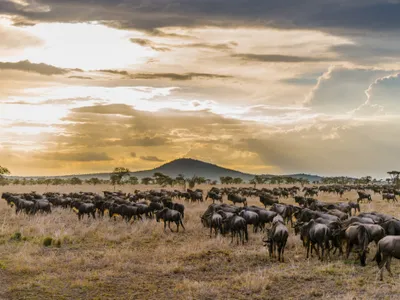
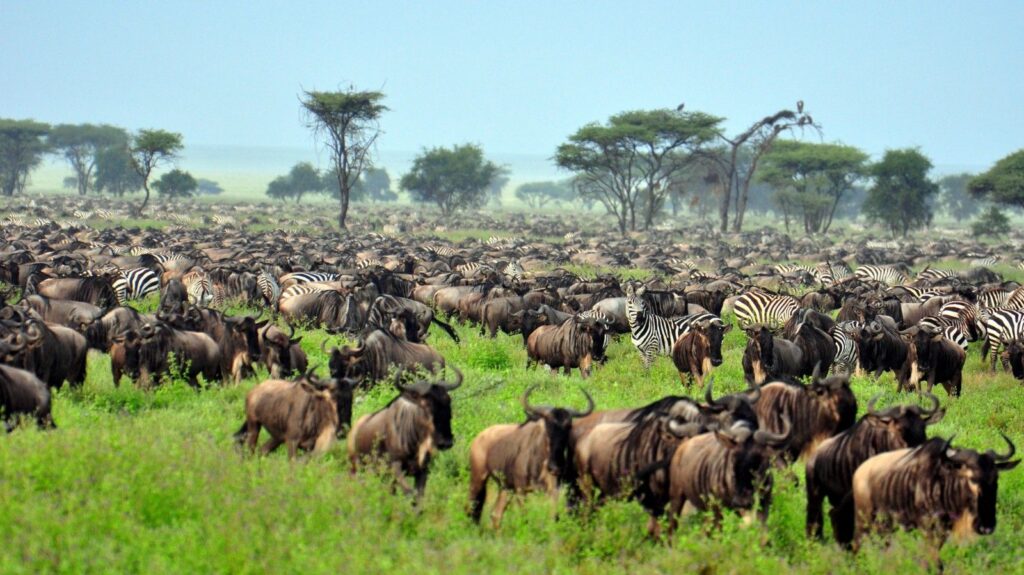
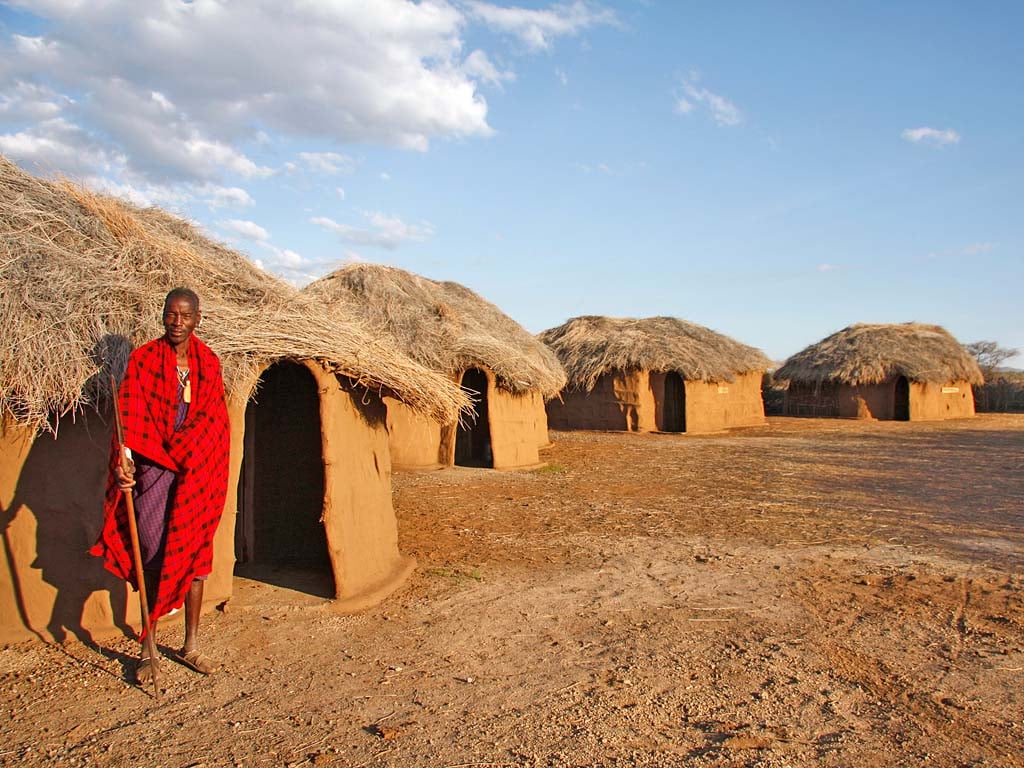
Introduction Tanzania is often described as a land where nature tells powerful stories. From the snow covered peak of Mount Kilimanjaro to the endless golden plains of the Serengeti a journey through Tanzania is filled with wonder. For travelers dreaming of an authentic African safari Tanzania is widely recognized as the ultimate safari destination. Breathtaking wildlife rich cultures and unforgettable adventures are experienced in every corner of the country. A Land of Natural Wonders To begin with Tanzania is blessed with some of the most iconic natural attractions on Earth. Mount Kilimanjaro Africa’s highest mountain is climbed by adventurers from around the world. Meanwhile the Serengeti plains are admired for their endless horizons and dramatic wildlife scenes. In addition the Ngorongoro Crater is known as a natural sanctuary where wildlife thrives within volcanic walls. After thrilling safaris relaxation is often enjoyed on the pristine beaches of Zanzibar. Exceptional Wildlife Diversity Equally important Tanzania is home to one of Africa’s largest wildlife populations. Over a quarter of the country is protected which allows animals to live freely in their natural habitats. As a result the Big Five are commonly seen alongside cheetahs giraffes zebras hippos and hundreds of bird species. Whether the northern or southern safari circuit is explored unforgettable wildlife encounters are guaranteed. The Great Wildebeest Migration Every year millions of wildebeest and zebras are driven across the Serengeti by ancient survival instincts. This world famous event known as the Great Wildebeest Migration is considered one of nature’s greatest spectacles. River crossings dramatic predator encounters and endless moving herds are witnessed making this experience a defining moment of a Tanzania safari. Authentic Cultural Encounters Beyond wildlife Tanzania’s cultural richness is deeply valued. Traditional lifestyles are preserved by communities such as the Maasai who are admired for their colorful attire and dances. In northern Tanzania the Hadzabe people continue to live as hunters and gatherers offering rare insight into early human traditions. Furthermore Swahili culture along the coast reflects centuries of trade hospitality and history. Variety of Safari Experiences Moreover Tanzania offers safari styles suitable for every traveler. Classic game drives are enjoyed in the Serengeti while walking safaris are guided through the Selous. In contrast boat safaris along the Rufiji River provide a peaceful way to observe wildlife. Hot air balloon safaris are also chosen by travelers seeking a unique aerial view of the savanna. Adventure Beyond the Safari In addition to wildlife experiences Tanzania offers remarkable adventures. Mount Kilimanjaro is climbed by those seeking physical and spiritual challenge. Marine life is explored through snorkeling and diving in Zanzibar and Mafia Island. Meanwhile hiking in the Usambara Mountains and kayaking on Lake Duluti provide refreshing alternatives to traditional safaris. Sustainable and Responsible Tourism Importantly conservation and sustainability are strongly supported in Tanzania. Local communities are empowered and wildlife habitats are protected through responsible tourism practices. With TRANSKIBO – TRAVELS LTD ethical travel experiences are carefully designed so that natural beauty is preserved for future generations. Warm Hospitality and Comfort Finally Tanzanians are known for their genuine warmth and hospitality. Safari lodges and camps are designed to blend comfort with nature. Whether luxury tented camps or eco lodges are chosen guests are welcomed with exceptional service and authentic smiles. Conclusion In conclusion Tanzania is more than a safari destination. It is a journey into the heart of Africa where nature culture and adventure are perfectly combined. With its unmatched wildlife iconic landscapes and welcoming people Tanzania truly stands as Africa’s ultimate safari destination. Through TRANSKIBO – TRAVELS LTD travelers are guided to experience the very best of Tanzania creating memories that last a lifetime.

Uncategorized

Kilimanjaro Altitude Sickness: Essential Guide for Climbers (2026)

Standing at 5,895 meters (19,341 feet), Mount Kilimanjaro attracts thousands of adventurers each year. However, the mountain’s greatest challenge isn’t its technical difficulty but rather the invisible threat of altitude sickness. Understanding Kilimanjaro altitude sickness can mean the difference between reaching Uhuru Peak and turning back early. Understanding Altitude Sickness on Mount Kilimanjaro Altitude sickness, medically known as Acute Mountain Sickness (AMS), occurs when your body struggles to adapt to reduced oxygen levels at high elevations. On Kilimanjaro, climbers ascend from approximately 1,800 meters at the base to nearly 6,000 meters at the summit. Consequently, the air pressure at the top contains roughly half the oxygen available at sea level. The rapid ascent that many Kilimanjaro routes require creates perfect conditions for altitude-related problems. Moreover, anyone can experience altitude sickness Mount Kilimanjaro regardless of age, fitness level, or previous climbing experience. Even elite athletes have been affected by this condition. Recognizing the Symptoms Mild Symptoms Initially, most climbers experience mild symptoms that typically appear within 6 to 12 hours of reaching higher elevations. These include: Severe Warning Signs Furthermore, some climbers develop more serious forms of altitude illness. High Altitude Pulmonary Edema (HAPE) and High Altitude Cerebral Edema (HACE) are life-threatening emergencies that require immediate descent. Watch for these danger signs: Notably, these severe symptoms can develop rapidly and demand immediate action. Why Kilimanjaro Altitude Symptoms Strike Several factors make Kilimanjaro altitude symptoms particularly common. First, the mountain’s popularity means many unprepared climbers attempt the summit. Second, some routes involve very rapid elevation gain. Third, the equatorial location means climbers face additional dehydration from intense sun exposure. Additionally, many trekkers underestimate the mountain because it requires no technical climbing skills. However, altitude affects everyone equally regardless of hiking ability. Prevention Strategies That Work Choose the Right Route Route selection plays a crucial role in preventing altitude sickness Kilimanjaro. Longer routes provide better acclimatization time. The Lemosho and Northern Circuit routes, spanning 7-9 days, offer the highest summit success rates precisely because they allow gradual adaptation. In contrast, the Marangu and Machame routes compress the journey into 5-6 days, increasing altitude sickness risk significantly. Climb Slowly The golden rule remains “pole pole” (Swahili for “slowly slowly”). Therefore, resist the urge to race ahead of your group. Maintaining a slow, steady pace allows your body to adjust properly. Follow the Acclimatization Principle Experienced guides use the “climb high, sleep low” strategy. This means hiking to higher elevations during the day, then descending to sleep at lower camps. This technique helps your body adapt while minimizing risk. Stay Hydrated Dehydration exacerbates acute mountain sickness Kilimanjaro considerably. Aim for 4-5 liters of water daily. Additionally, avoid alcohol and caffeine, which promote dehydration. Consider Medication Acetazolamide (Diamox) helps prevent and reduce symptoms when taken prophylactically. However, consult your doctor before the trek. Some climbers also carry dexamethasone for emergency situations. Treatment Options at Altitude Immediate Actions If you develop Kilimanjaro altitude sickness symptoms, inform your guide immediately. Never hide symptoms hoping they’ll disappear. Mild cases often improve with rest, hydration, and painkillers for headaches. When Descent Becomes Necessary Sometimes, the only cure is going down. Even descending 300-500 meters can bring dramatic improvement. Consequently, experienced guides constantly monitor climbers and won’t hesitate to recommend descent when necessary. Remember that summit success matters less than your safety and life. The Role of Physical Preparation While fitness doesn’t prevent altitude sickness, good physical conditioning helps. Regular cardiovascular exercise strengthens your heart and lungs, making the trek less demanding overall. Therefore, begin training at least three months before your climb. Include hiking with a weighted backpack, stair climbing, and endurance activities. Nevertheless, remember that even perfectly fit climbers can suffer from altitude sickness Mount Kilimanjaro. What to Pack for Altitude Safety Smart packing helps manage altitude challenges: Final Thoughts Kilimanjaro altitude sickness remains the primary reason climbers fail to reach the summit. However, proper preparation, route selection, and listening to your body dramatically improve your chances of success. Furthermore, remember that descending isn’t failure but rather smart decision-making. The mountain will always be there for another attempt. By understanding these altitude challenges and respecting the mountain’s demands, you’ll maximize both your safety and your summit chances. Ultimately, every successful Kilimanjaro climber shares one trait: they took altitude sickness seriously from the start. Whether you’re planning your first attempt or returning after a previous experience, knowledge about Kilimanjaro altitude symptoms empowers you to make informed decisions throughout your journey to Africa’s rooftop.

Uncategorized

Lake Tanganyika Diving: Explore Tanzania’s Underwater Paradise

Discover Africa’s Hidden Freshwater Aquarium When Tanzania tourism is mentioned, most travelers immediately envision the Serengeti plains or Mount Kilimanjaro‘s snowy peak. However, an extraordinary adventure has been waiting in the country’s western region. Lake Tanganyika diving offers an experience that few tourists know about, yet it rivals any ocean diving destination for sheer beauty and biodiversity. Moreover, this ancient rift lake has been recognized as one of the world’s most unique freshwater ecosystems. At TRANSKIBO TRAVELS, we believe that adventurous souls deserve to discover this underwater wonderland. Consequently, we’ve crafted specialized diving expeditions that reveal the lake’s hidden treasures. Why Lake Tanganyika Diving Should Be on Your Bucket List An Ancient Lake Like No Other Stretching over 670 kilometers along Tanzania’s western border, Lake Tanganyika has been formed by geological forces millions of years ago. In fact, it ranks as the world’s longest and second-deepest freshwater lake, reaching depths of 1,470 meters. Furthermore, its estimated age of 9-13 million years has allowed remarkable evolutionary processes to unfold beneath its surface. Therefore, when you embark on Lake Tanganyika diving adventures with TRANSKIBO TRAVELS, you’re essentially exploring a living museum of evolution. Unparalleled Biodiversity Beneath the Surface Remarkably, over 95% of the fish species encountered during Lake Tanganyika diving expeditions are endemic meaning they exist nowhere else on Earth. More than 250 species of cichlid fish have been documented here, displaying colors that rival the most vibrant coral reefs. Additionally, unique invertebrates, including freshwater jellyfish and endemic sponges, can be observed in these pristine waters. In other words, every dive reveals species that cannot be seen anywhere else on the planet. This exclusivity makes Lake Tanganyika diving truly special for both novice and experienced divers. Top Diving Locations Around Lake Tanganyika Mahale Mountains National Park Located on the lake’s eastern shore, Mahale Mountains National Park has been celebrated for its dual attractions: wild chimpanzees and exceptional diving sites. The underwater landscape features rocky drop-offs, sandy plateaus, and submerged boulders where cichlids congregate in shimmering schools. Furthermore, visibility in this area often exceeds 20 meters, particularly during the dry season. Therefore, underwater photographers find this location ideal for capturing vibrant aquatic life. TRANSKIBO TRAVELS organizes comprehensive packages that combine chimpanzee trekking with Lake Tanganyika diving for an unforgettable wildlife experience. Kigoma Region: Gateway to Underwater Adventures The historic town of Kigoma serves as the primary access point for western Tanzania. Several dive operators have been established here, and TRANSKIBO TRAVELS maintains strong partnerships with the most reputable among them. In addition, Kigoma’s lakeside setting provides stunning sunset views after exhilarating diving days. Gombe Stream National Park While primarily known for Jane Goodall’s groundbreaking chimpanzee research, Gombe Stream also offers intimate Lake Tanganyika diving experiences. The rocky shores and exceptionally clear waters have been populated with countless endemic species. Moreover, the park’s remote location ensures uncrowded dive sites where nature takes center stage. What Makes Lake Tanganyika Diving Unique The Cichlid Spectacle Without question, cichlids dominate the underwater scenery. These extraordinary fish have been divided into various ecological groups: Consequently, each dive session reveals new behavioral patterns and stunning color variations. TRANSKIBO TRAVELS’ experienced guides help identify different species and explain their unique adaptations. Crystal-Clear Visibility Unlike many freshwater diving destinations, Lake Tanganyika boasts visibility that often surpasses 25 meters. The water clarity has been compared to Caribbean seas, creating ideal conditions for both diving and underwater photography. Therefore, every moment beneath the surface becomes a visual feast. Best Time for Lake Tanganyika Diving Dry Season Excellence (May to October) The dry season has been widely recognized as optimal for diving adventures. During these months, visibility reaches its peak and weather conditions remain stable. Furthermore, water temperatures hover around 24-26°C (75-79°F), providing comfortable diving without heavy wetsuits. Additionally, this period coincides with pleasant weather for complementary activities like chimpanzee trekking. Therefore, TRANSKIBO TRAVELS recommends scheduling your Lake Tanganyika diving expedition during these months for the best overall experience. Year-Round Possibilities While the dry season offers peak conditions, Lake Tanganyika diving remains accessible throughout the year. The wet season (November to April) brings occasional rain, yet underwater visibility stays impressive. Moreover, this period offers lower tourist numbers and lush, green landscapes. Practical Information for Your Diving Adventure Certification and Experience Requirements Since diving typically occurs at depths between 10-30 meters, an Open Water certification has been recommended as the minimum requirement. However, Advanced Open Water certification provides additional skills for deeper exploration. TRANSKIBO TRAVELS can arrange refresher courses for divers who haven’t been underwater recently. Equipment and Facilities Quality diving equipment has been made available through our partner operators in Kigoma and Mahale. Nevertheless, bringing personal gear is advised when possible, as it ensures the best fit and familiarity. TRANSKIBO TRAVELS can provide detailed equipment lists upon booking. Safety Considerations Lake Tanganyika’s freshwater environment has been considered safe for diving activities. However, proper precautions must be observed: Therefore, TRANSKIBO TRAVELS exclusively works with certified, experienced dive operators who prioritize safety above all else. Getting to Lake Tanganyika Air Travel Options Kigoma Airport receives regular flights from Dar es Salaam, Arusha, and other Tanzanian cities. From there, TRANSKIBO TRAVELS arranges seamless transfers to your accommodation and dive sites. Alternatively, chartered flights to remote lodges near Mahale Mountains National Park are available for premium experiences. Overland Adventures While more time-consuming, overland travel to Kigoma offers opportunities for cultural immersion and scenic beauty. TRANSKIBO TRAVELS can organize comfortable road transfers that include stops at interesting locations along the way. Combining Diving with Other Experiences Chimpanzee Trekking Both Mahale and Gombe are renowned for wild chimpanzee populations. Therefore, Lake Tanganyika diving can be seamlessly combined with primate encounters. TRANSKIBO TRAVELS specializes in creating multi-activity itineraries that maximize your Tanzanian adventure. Cultural Encounters The lake’s shores have been inhabited by various ethnic groups for millennia. Consequently, village visits and cultural exchanges add meaningful depth to your journey. Local fishing techniques, traditional boat building, and authentic Swahili coastal life can all be explored through our carefully curated experiences. Relaxation

Uncategorized

Beyond the Serengeti: Discover Tanzania Hidden Gems That Will Transform Your African Adventure

Introduction: Unveiling Tanzania’s Best-Kept Secrets When Tanzania is mentioned, most travelers immediately envision endless savannas filled with wildlife and the majestic Mount Kilimanjaro piercing the sky. However, beyond these iconic landmarks, Tanzania hidden gems are waiting to be explored by adventurous souls seeking authentic experiences. At TRANSKIBO TRAVELS LTD, we specialize in curating journeys that venture far beyond the typical tourist trail. Moreover, these lesser-known destinations offer something truly special: the opportunity to experience Tanzania’s natural beauty and rich culture without the overwhelming crowds. Consequently, your African adventure becomes more intimate, memorable, and genuinely transformative.   Zanzibar’s Aromatic Heritage: The Spice Island Experience Exploring the Fragrant Plantations While Zanzibar’s pristine beaches are undoubtedly breathtaking, the island’s aromatic soul is often discovered inland. Furthermore, the spice farm tours have been recognized as one of Tanzania’s most immersive cultural experiences. As you wander through lush plantations, fragrant scents of cinnamon, cardamom, vanilla, and cloves envelop your senses. Additionally, these tours provide fascinating insights into why Zanzibar was once considered the epicenter of the global spice trade. During your visit, exotic tropical fruits that cannot be found elsewhere are offered for tasting. Meanwhile, traditional medicinal uses of various spices are demonstrated by knowledgeable local guides. Therefore, this experience appeals to both food enthusiasts and history buffs alike. Lake Tanganyika: East Africa’s Freshwater Paradise The World’s Longest Freshwater Lake Awaits In contrast to the popular Indian Ocean coastline, Lake Tanganyika represents one of the most underrated Tanzania hidden gems. Located in western Tanzania, this extraordinary lake stretches across the horizon like an inland sea. Notably, it is home to hundreds of fish species that are found nowhere else on our planet. The charming lakeside town of Kigoma serves as the gateway to this aquatic wonderland. Subsequently, visitors can access remote beaches where tranquility reigns supreme. In addition, the crystal-clear waters are perfect for snorkeling adventures. Nearby, Gombe Stream National Park can be visited, where Jane Goodall’s pioneering chimpanzee research was conducted decades ago. Southern Tanzania Safari Circuit: Wildlife Encounters Without the Crowds Ruaha National Park: The Elephant Kingdom Although the northern safari circuit remains popular, the southern parks are increasingly being recognized by discerning travelers. Ruaha National Park, in particular, boasts East Africa’s largest elephant population. Throughout the dry season, these magnificent creatures are frequently observed gathering around the Great Ruaha River. Furthermore, predator sightings are remarkably common in this vast wilderness. Lions, leopards, and wild dogs are regularly spotted by safari-goers. Because fewer tourists visit this region, the wildlife viewing experience feels more authentic and exclusive. Nyerere National Park and Katavi: Untamed Wilderness Similarly, Nyerere National Park (formerly known as Selous Game Reserve) offers exceptional boat safaris along the Rufiji River. Meanwhile, Katavi National Park is famous for its dramatic dry season spectacles. During this period, hundreds of hippos are forced to share shrinking water pools, creating unforgettable wildlife encounters. Consequently, these southern parks provide the authentic bush experience that was once enjoyed by early safari pioneers. Most importantly, the sense of solitude and connection with nature cannot be replicated in more crowded destinations. Authentic Cultural Immersion: Beyond Superficial Tourism The Maasai Experience: Traditional Wisdom Shared At TRANSKIBO TRAVELS LTD, genuine cultural exchanges are facilitated rather than staged photo opportunities. When visiting Maasai communities, time is spent learning about their semi-nomadic lifestyle and deep connection to the land. Traditional livestock management techniques are demonstrated by Maasai elders. Additionally, ancient medicinal practices using local plants are explained in detail. The Hadzabe People: Living History Alternatively, the Hadzabe community near Lake Eyasi offers a glimpse into humanity’s distant past. As one of the last remaining hunter-gatherer societies in Africa, their traditional lifestyle has been preserved for thousands of years. During morning hunts, traditional techniques are still employed using handcrafted bows and arrows. Moreover, fire-making skills without modern tools are taught to visitors. Simultaneously, stories passed down through countless generations are shared around evening campfires. Thus, these experiences create profound connections that transcend typical tourism. Mount Meru: The Underrated Trekking Challenge Kilimanjaro’s Spectacular Neighbor While Mount Kilimanjaro attracts thousands of climbers annually, Mount Meru remains relatively undiscovered. Nevertheless, at 4,566 meters, Tanzania’s second-highest peak offers an equally rewarding challenge. On clear days, spectacular views of Kilimanjaro are enjoyed from Meru’s summit. In addition, diverse ecosystems are traversed during the ascent. Initially, montane forests teeming with colobus monkeys are explored. Subsequently, heath and moorland zones are crossed. Finally, alpine desert landscapes are encountered near the summit. Therefore, this trek provides incredible biodiversity within a compact timeframe. Furthermore, Mount Meru serves as an excellent acclimatization climb for those planning Kilimanjaro attempts. Consequently, your chances of summit success are significantly improved. Sustainable Tourism: Making a Positive Impact Our Commitment to Responsible Travel At TRANSKIBO TRAVELS LTD, sustainable tourism practices are prioritized in every aspect of our operations. Community-owned lodges are partnered with to ensure local economic benefits. Additionally, local guides are employed, providing authentic insights while supporting families. Moreover, portions of tour proceeds are directed toward conservation efforts and community development projects. As a result, travelers become active participants in Tanzania’s sustainable future rather than passive observers. Ultimately, your adventure creates lasting positive impacts on the communities and ecosystems you visit. Planning Your Perfect Tanzanian Journey Timing Your Visit for Optimal Experiences Because Tanzania’s diversity is extraordinary, one-size-fits-all itineraries simply don’t work. Whether wildlife encounters, cultural immersion, beach relaxation, or mountain adventures are desired, personalized journeys are crafted to match your specific interests. The optimal time to visit depends on your priorities. During the dry season from June to October, wildlife viewing conditions are considered ideal. Conversely, the green season from November to May brings dramatic landscapes, fewer tourists, and lower prices. Additionally, the Great Migration’s timing varies by location, with river crossings typically occurring between July and September. Conclusion: Your Tanzanian Story Begins Here Ultimately, Tanzania represents far more than just another destination—it’s a tapestry of experiences waiting to be woven into your personal travel story. These Tanzania hidden gems offer adventures that cannot be found in

Combo Safari, Destination, Safari

Western Corridor Wildebeest Crossings: Tanzania’s Hidden Migration Spectacle

Beyond the Mara River: Discover Secret Crossing Points The Great Migration has been celebrated as one of nature’s most spectacular phenomena. However, when this wildlife marvel is mentioned, most travelers immediately think of the Mara River’s dramatic crossings. Consequently, these famous crossing points become crowded with safari vehicles during peak season. Yet, a remarkable secret has been kept by experienced safari guides: the Western Corridor wildebeest crossings offer equally thrilling experiences with far fewer tourists. At TRANSKIBO TRAVELS, we specialize in revealing these hidden gems where nature’s drama unfolds in relative solitude. Understanding the Western Corridor’s Strategic Importance Geography and Location The Western Corridor stretches along the Serengeti’s western boundary, forming a narrow strip that extends toward Lake Victoria. This region has been characterized by acacia woodlands, open grasslands, and several river systems. Moreover, the Grumeti River winds through this corridor, creating natural barriers that wildebeest must cross during their annual migration. Therefore, understanding the Western Corridor wildebeest movement patterns requires knowledge of this unique landscape. TRANSKIBO TRAVELS’ expert guides possess intimate familiarity with every crossing point and seasonal variation. Migration Timing in the Western Corridor Unlike the Mara River crossings that typically occur from July to October, Western Corridor wildebeest movements happen earlier in the migration cycle. From May to July, massive herds traverse this region on their journey northward. Additionally, return movements occur from October to November as animals head back toward the southern plains. Consequently, travelers who visit during these specific windows witness spectacular crossings without the crowds that gather at more famous locations. TRANSKIBO TRAVELS carefully times expeditions to coincide with peak crossing activity. Lesser-Known Crossing Points Worth Visiting Grumeti River Crossings: Nature’s Hidden Theater While the Grumeti River has been recognized by wildlife enthusiasts, specific crossing points remain relatively unknown to mainstream tourism. Several locations offer extraordinary viewing opportunities: Kirawira Crossing Point Located in the northern section of the Western Corridor, this crossing point has been favored by wildebeest due to relatively gentle riverbanks. Furthermore, the surrounding woodland provides excellent cover for predators, creating additional drama. TRANSKIBO TRAVELS positions clients at strategic viewpoints where the entire spectacle unfolds naturally. Ndabaka Gate Area Near the park’s western entrance, several crossing points have been identified along smaller tributaries. These locations see significant Western Corridor wildebeest activity, particularly during early morning hours. Moreover, the area’s remoteness ensures authentic, uncrowded wildlife viewing. Retima Hippo Pool Region This section of the Grumeti River has been characterized by deep pools inhabited by large hippo populations. Consequently, when wildebeest attempt crossings here, the tension becomes palpable. Enormous Nile crocodiles also patrol these waters, adding another dimension to the crossing drama. Mbalageti River Crossings Lesser-known than the Grumeti, the Mbalageti River presents its own challenges to migrating herds. Several crossing points have been documented by TRANSKIBO TRAVELS’ experienced guides: Rocky Ford Crossings Where the Mbalageti narrows between rocky outcrops, Western Corridor wildebeest herds often congregate before attempting crossings. The bottleneck effect creates spectacular concentrations of animals. Additionally, the rocks provide elevated viewing positions for photographers. Woodland Edge Crossings In areas where riverine forest meets open grassland, wildebeest crossings take on different characteristics. Animals emerge from woodland cover, assess the crossing point, and plunge forward in waves. Therefore, these locations offer unique photographic opportunities with varied backgrounds. What Makes Western Corridor Crossings Special Fewer Crowds, More Authentic Experiences Perhaps the most significant advantage of Western Corridor wildebeest viewing is the absence of vehicle congestion. While Mara River crossings might attract dozens of safari vehicles, Western Corridor crossings are often witnessed by only a handful of fortunate travelers. Consequently, the experience feels more authentic and intimate. TRANSKIBO TRAVELS deliberately limits group sizes to ensure every guest enjoys unobstructed views and personalized attention from expert guides. Predator Concentrations The Western Corridor has been known for exceptional predator densities. Large lion prides patrol the area, anticipating the migrating herds’ arrival. Moreover, leopards inhabit the riverine forests, while cheetahs hunt on the open plains. Therefore, visitors witness not just crossings, but the entire predator-prey dynamic in action. Diverse Ecosystems Unlike the Mara River area’s predominantly open grasslands, the Western Corridor wildebeest routes traverse varied habitats. Acacia woodlands, kopjes (rock outcrops), riverine forests, and plains all feature in this landscape. Consequently, the wildlife viewing experience becomes more diverse and visually interesting. Best Time to Visit Western Corridor for Crossings Peak Season (May to July) This period has been identified as optimal for witnessing Western Corridor wildebeest crossings. The massive herds arrive from the southern plains, encountering the Grumeti and Mbalageti rivers in their northward journey. Furthermore, water levels remain significant enough to create challenging crossings, yet not so high that animals avoid them entirely. TRANSKIBO TRAVELS recommends June specifically, when crossing activity reaches its peak and weather conditions remain favorable for game viewing. Secondary Season (October to November) As the migration returns southward, another opportunity presents itself. While typically less dramatic than the northward movement, these crossings still offer spectacular viewing. Moreover, tourist numbers decrease significantly during this period. Therefore, travelers seeking solitude and authenticity find this timing ideal. Wildlife Beyond the Migration Resident Species While Western Corridor wildebeest crossings attract most attention, the region supports diverse resident wildlife year-round: Large elephant herds traverse the corridor regularly Buffalo congregate in substantial numbers near water sources Giraffes browse among acacia trees Various antelope species including topi, eland, and impala Therefore, even if migration timing doesn’t align perfectly, extraordinary wildlife viewing is guaranteed. TRANSKIBO TRAVELS designs itineraries that showcase both migratory and resident species. Birdlife The Western Corridor’s varied habitats have been recognized as excellent for bird watching. Over 500 species have been recorded in the Serengeti ecosystem, with many concentrated in this region. Consequently, avid birders find the Western Corridor particularly rewarding. Photography Opportunities in the Western Corridor Unique Perspectives The varied terrain offers photographers diverse compositional opportunities. Wildebeest silhouetted against acacia trees, predators stalking through tall grass, and dramatic river crossings all present themselves. Moreover, fewer vehicles mean cleaner shots without interference from other safari trucks. TRANSKIBO TRAVELS

Destination, Safari

Top 10 Must Visit National Parks in Tanzania

Tanzania is one of Africa’s most incredible safari destinations and it attracts many travelers who wish to explore beautiful parks filled with wildlife. Therefore it remains a perfect place for visitors who want unforgettable adventures with Trans-kibo Travel LTD in every remarkable location. Here are the top ten national parks that offer amazing experiences for both new travelers and returning adventurers who love nature. Serengeti National Park: Is known worldwide and it offers endless plains where the Great Migration moves across the grasslands in a powerful cycle. Moreover travelers enjoy viewing lions, cheetahs, elephants and many other animals that make the Serengeti a beautiful and thrilling safari destination always. Ngorongoro Conservation Area: protects the famous crater and it provides visitors with a natural amphitheater where wildlife gathers throughout the year in harmony. Additionally the surrounding highlands offer wonderful views and cultural areas that allow travelers to learn more about nature and local communities together. Tarangire National Park: Is loved for large elephant herds and its giant baobab trees that decorate the landscape in a unique and peaceful way. Furthermore animals gather around the Tarangire River during the dry season which makes wildlife viewing easier and more exciting for visitors each day. Lake Manyara National Park: Is Known for tree climbing lions and its colorful flamingos that brighten the lake edges with beautiful shades in sunlight. Besides the diverse habitats allow travelers to enjoy forests open areas and local community experiences that create a complete and enjoyable safari journey. Ruaha National Park: Is Tanzania’s largest park and it offers quiet wilderness that appeals to travelers who prefer remote and natural safari environments always. In addition its rugged terrain and wide open areas make it perfect for spotting elephants predators and many bird species during long game drives. Nyerere National Park: Is one of Africa’s biggest protected areas and it provides river safaris walking experiences and classic game drives that visitors enjoy greatly. Likewise the Rufiji River supports hippos crocodiles and birds which makes the park a peaceful and beautiful place for nature lovers every season. Mikumi National Park: Is easy to reach from Dar es Salaam and it offers open plains that look similar to the Serengeti during dry months. Also travelers with limited time appreciate the simple access and reliable wildlife sightings that make Mikumi a convenient and enjoyable safari option. Katavi National Park: Remains untouched and remote which allows travelers to enjoy true wilderness with fewer crowds and more natural wildlife behavior everywhere around them. Similarly during the dry season hippos crocodiles and other animals gather near water sources which creates powerful scenes for photography and adventure. Mahale Mountains National Park: Lies on Lake Tanganyika and it offers chimpanzee trekking experiences in lush forests that feel peaceful and magical for visitors. Moreover the clear water beaches and mountain scenery make Mahale one of Tanzania’s most beautiful and unforgettable places for nature enthusiasts always. Arusha National Park: Sits near Mount Meru and it offers walking safaris canoeing and short game drives that suit visitors with limited time available. Additionally the Momella Lakes and forest areas provide great opportunities for viewing colobus monkeys giraffes and many bird species during easy excursions.

Scroll to Top

Enquire Now

Fill out the form below, and we will be in touch shortly.
Contact Information
Arrival Information
Preferred Where to go