
Standing at 5,895 meters (19,341 feet), Mount Kilimanjaro attracts thousands of adventurers each year. However, the mountain’s greatest challenge isn’t its technical difficulty but rather the invisible threat of altitude sickness. Understanding Kilimanjaro altitude sickness can mean the difference between reaching Uhuru Peak and turning back early.
Understanding Altitude Sickness on Mount Kilimanjaro
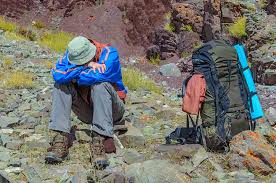
Altitude sickness, medically known as Acute Mountain Sickness (AMS), occurs when your body struggles to adapt to reduced oxygen levels at high elevations. On Kilimanjaro, climbers ascend from approximately 1,800 meters at the base to nearly 6,000 meters at the summit. Consequently, the air pressure at the top contains roughly half the oxygen available at sea level.
The rapid ascent that many Kilimanjaro routes require creates perfect conditions for altitude-related problems. Moreover, anyone can experience altitude sickness Mount Kilimanjaro regardless of age, fitness level, or previous climbing experience. Even elite athletes have been affected by this condition.
Recognizing the Symptoms
Mild Symptoms
Initially, most climbers experience mild symptoms that typically appear within 6 to 12 hours of reaching higher elevations. These include:
- Persistent headaches that worsen with exertion
- Nausea and loss of appetite
- Fatigue and weakness
- Dizziness or lightheadedness
- Difficulty sleeping despite exhaustion
Severe Warning Signs
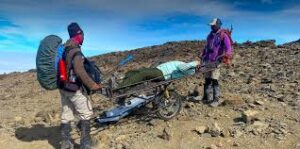
Furthermore, some climbers develop more serious forms of altitude illness. High Altitude Pulmonary Edema (HAPE) and High Altitude Cerebral Edema (HACE) are life-threatening emergencies that require immediate descent. Watch for these danger signs:
- Severe breathlessness even at rest
- Confusion or inability to walk straight
- Persistent coughing with pink or frothy sputum
- Extreme fatigue preventing further climbing
- Chest tightness and rapid heartbeat
Notably, these severe symptoms can develop rapidly and demand immediate action.
Why Kilimanjaro Altitude Symptoms Strike
Several factors make Kilimanjaro altitude symptoms particularly common. First, the mountain’s popularity means many unprepared climbers attempt the summit. Second, some routes involve very rapid elevation gain. Third, the equatorial location means climbers face additional dehydration from intense sun exposure.
Additionally, many trekkers underestimate the mountain because it requires no technical climbing skills. However, altitude affects everyone equally regardless of hiking ability.
Prevention Strategies That Work
Choose the Right Route
Route selection plays a crucial role in preventing altitude sickness Kilimanjaro. Longer routes provide better acclimatization time. The Lemosho and Northern Circuit routes, spanning 7-9 days, offer the highest summit success rates precisely because they allow gradual adaptation.
In contrast, the Marangu and Machame routes compress the journey into 5-6 days, increasing altitude sickness risk significantly.
Climb Slowly
The golden rule remains “pole pole” (Swahili for “slowly slowly”). Therefore, resist the urge to race ahead of your group. Maintaining a slow, steady pace allows your body to adjust properly.
Follow the Acclimatization Principle
Experienced guides use the “climb high, sleep low” strategy. This means hiking to higher elevations during the day, then descending to sleep at lower camps. This technique helps your body adapt while minimizing risk.
Stay Hydrated
Dehydration exacerbates acute mountain sickness Kilimanjaro considerably. Aim for 4-5 liters of water daily. Additionally, avoid alcohol and caffeine, which promote dehydration.
Consider Medication
Acetazolamide (Diamox) helps prevent and reduce symptoms when taken prophylactically. However, consult your doctor before the trek. Some climbers also carry dexamethasone for emergency situations.
Treatment Options at Altitude
Immediate Actions
If you develop Kilimanjaro altitude sickness symptoms, inform your guide immediately. Never hide symptoms hoping they’ll disappear. Mild cases often improve with rest, hydration, and painkillers for headaches.
When Descent Becomes Necessary
Sometimes, the only cure is going down. Even descending 300-500 meters can bring dramatic improvement. Consequently, experienced guides constantly monitor climbers and won’t hesitate to recommend descent when necessary.
Remember that summit success matters less than your safety and life.
The Role of Physical Preparation
While fitness doesn’t prevent altitude sickness, good physical conditioning helps. Regular cardiovascular exercise strengthens your heart and lungs, making the trek less demanding overall. Therefore, begin training at least three months before your climb.
Include hiking with a weighted backpack, stair climbing, and endurance activities. Nevertheless, remember that even perfectly fit climbers can suffer from altitude sickness Mount Kilimanjaro.
What to Pack for Altitude Safety
Smart packing helps manage altitude challenges:
- Prescription medications as recommended by your doctor
- Electrolyte supplements for hydration
- High-calorie snacks requiring minimal preparation
- Pulse oximeter to monitor oxygen saturation
- Extra warm clothing since cold worsens symptoms
Final Thoughts
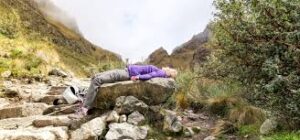
Kilimanjaro altitude sickness remains the primary reason climbers fail to reach the summit. However, proper preparation, route selection, and listening to your body dramatically improve your chances of success. Furthermore, remember that descending isn’t failure but rather smart decision-making.
The mountain will always be there for another attempt. By understanding these altitude challenges and respecting the mountain’s demands, you’ll maximize both your safety and your summit chances. Ultimately, every successful Kilimanjaro climber shares one trait: they took altitude sickness seriously from the start.
Whether you’re planning your first attempt or returning after a previous experience, knowledge about Kilimanjaro altitude symptoms empowers you to make informed decisions throughout your journey to Africa’s rooftop.